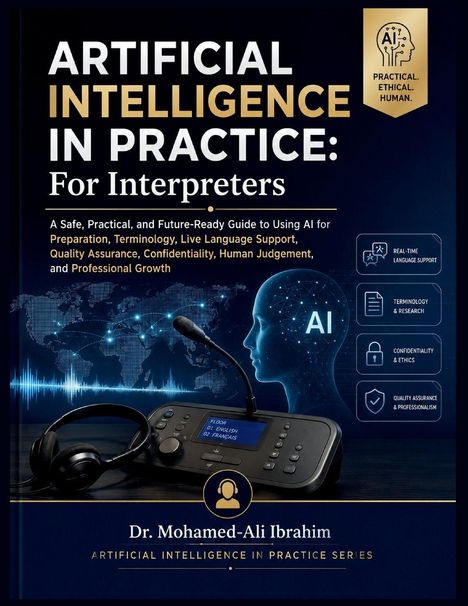
Mohamed-Ali Ibrahim: Artificial Intelligence in Practice, Kartoniert / Broschiert
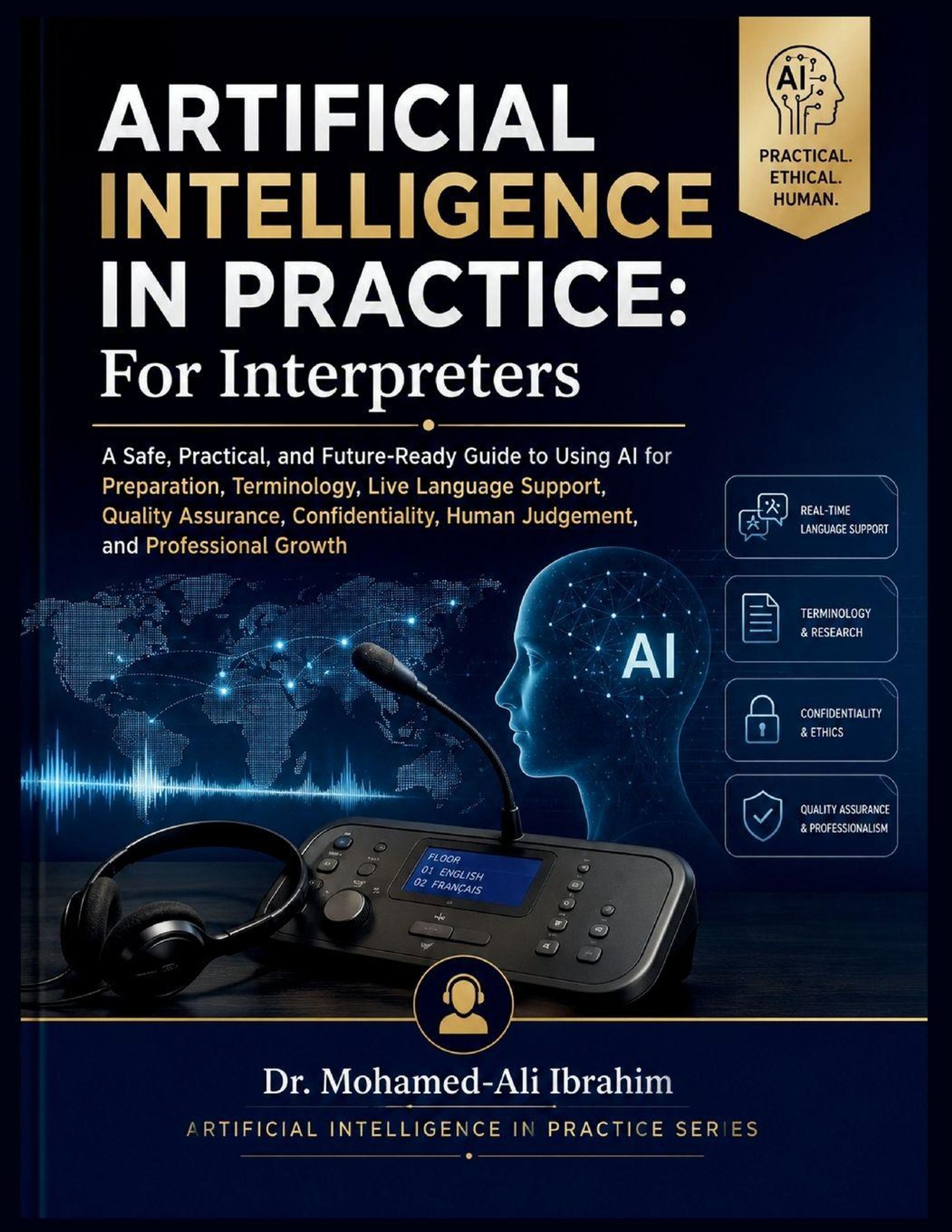
Artificial Intelligence in Practice
- For Interpreters
(soweit verfügbar beim Lieferanten)
- Verlag:
- DR.IBRAHIM, 08/2026
- Einband:
- Kartoniert / Broschiert
- Sprache:
- Englisch
- ISBN-13:
- 9783852283203
- Artikelnummer:
- 12902018
- Umfang:
- 116 Seiten
- Gewicht:
- 314 g
- Maße:
- 280 x 216 mm
- Stärke:
- 7 mm
- Erscheinungstermin:
- 7.8.2026
- Hinweis
-
Achtung: Artikel ist nicht in deutscher Sprache!
Weitere Ausgaben von Artificial Intelligence in Practice |
Preis |
|---|---|
| Buch, Kartoniert / Broschiert, Englisch | EUR 99,39* |
| Buch, Kartoniert / Broschiert, Englisch | EUR 89,42* |
| Buch, Kartoniert / Broschiert, Englisch | EUR 97,24* |
| Buch, Kartoniert / Broschiert, Englisch | EUR 96,37* |
| Buch, Kartoniert / Broschiert, Englisch | EUR 96,11* |
| Buch, Kartoniert / Broschiert, Englisch | EUR 90,05* |
| Buch, Kartoniert / Broschiert, Englisch | EUR 93,84* |
| Buch, Kartoniert / Broschiert, Englisch | EUR 90,05* |
| Buch, Kartoniert / Broschiert, Englisch | EUR 89,16* |
| Buch, Kartoniert / Broschiert, Englisch | EUR 94,47* |
| Buch, Kartoniert / Broschiert, Englisch | EUR 94,59* |
| Buch, Kartoniert / Broschiert, Englisch | EUR 97,24* |
| Buch, Kartoniert / Broschiert, Englisch | EUR 90,05* |
| Buch, Kartoniert / Broschiert, Englisch | EUR 90,05* |
| Buch, Kartoniert / Broschiert, Englisch | EUR 96,48* |
| Buch, Kartoniert / Broschiert, Englisch | EUR 97,24* |
| Buch, Kartoniert / Broschiert, Englisch | EUR 93,34* |
Klappentext
Artificial Intelligence in Practice: For InterpretersComplete Subtitle A Safe, Practical, and Future-Ready Guide to Using AI for Preparation, Terminology, Live Language Support, Quality Assurance, Confidentiality, Human Judgement, and Professional Growth Author: Dr. Mohamed-Ali IbrahimAmazon KDP Book DescriptionIntroduction Artificial intelligence is rapidly changing the environment in which interpreters prepare for assignments, work on remote platforms, manage terminology, review transcripts, and support multilingual communication. Speech recognition, live captioning, automated transcription, terminology tools, remote-interpreting platforms, pronunciation applications, machine interpreting, noise reduction, and meeting summaries can all provide useful support. But interpreting happens in real time, where a single error involving a name, number, medicine, legal term, speaker identity, or negative statement can immediately affect meaning. Artificial Intelligence in Practice: For Interpreters is a practical, professional, and future-ready guide for interpreters who want to benefit from AI without weakening active listening, confidentiality, cultural understanding, professional independence, or human judgement. This book explains how AI can support assignment preparation, public speaker research, terminology development, acronym identification, pronunciation practice, fictional rehearsal exercises, remote-interpreting readiness, authorised transcript review, quality assurance, and professional reflection. It also addresses the risks interpreters must understand, including incorrect captions, speaker-attribution errors, accent and dialect bias, cognitive overload, unauthorised recording, confidentiality exposure, inaccurate terminology, and the loss of emotional or cultural meaning. The book's central principle is clear: AI may assist the interpreter, but it cannot replace active listening, professional judgement, cultural understanding, confidentiality, and responsibility for meaning. With interpreter-specific prompts, checklists, case studies, preparation tools, confidentiality guidance, an Interpreter AI Impact Dashboard, and a structured six-week responsible AI practice plan, this book helps language professionals introduce AI carefully while keeping human interpreters firmly in control. Main Benefits of the Book Readers will learn how to: Use AI responsibly before, during, and after interpreting assignments. Prepare structured assignment briefs. Organise public speaker and subject research. Create candidate terminology and acronym lists. Verify names, titles, numbers, units, medicines, legal expressions, and technical terminology. Build professional glossary and pronunciation resources. Create fictional simultaneous and consecutive interpreting exercises. Prepare for remote and telephone interpreting assignments. Develop technical-failure and backup plans. Evaluate live captions and speech-recognition output.