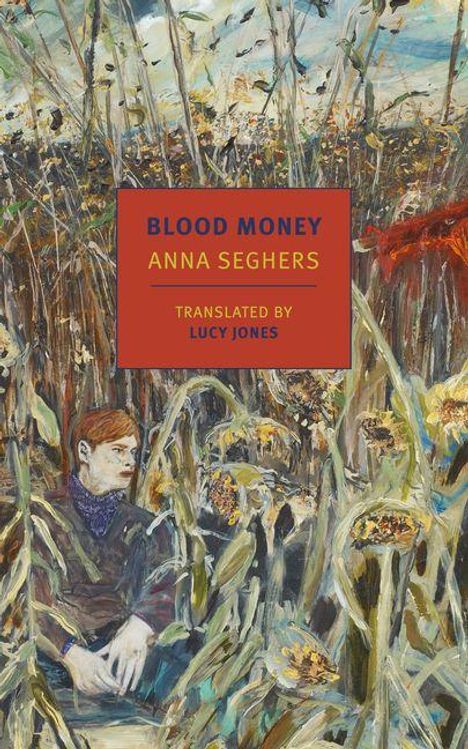
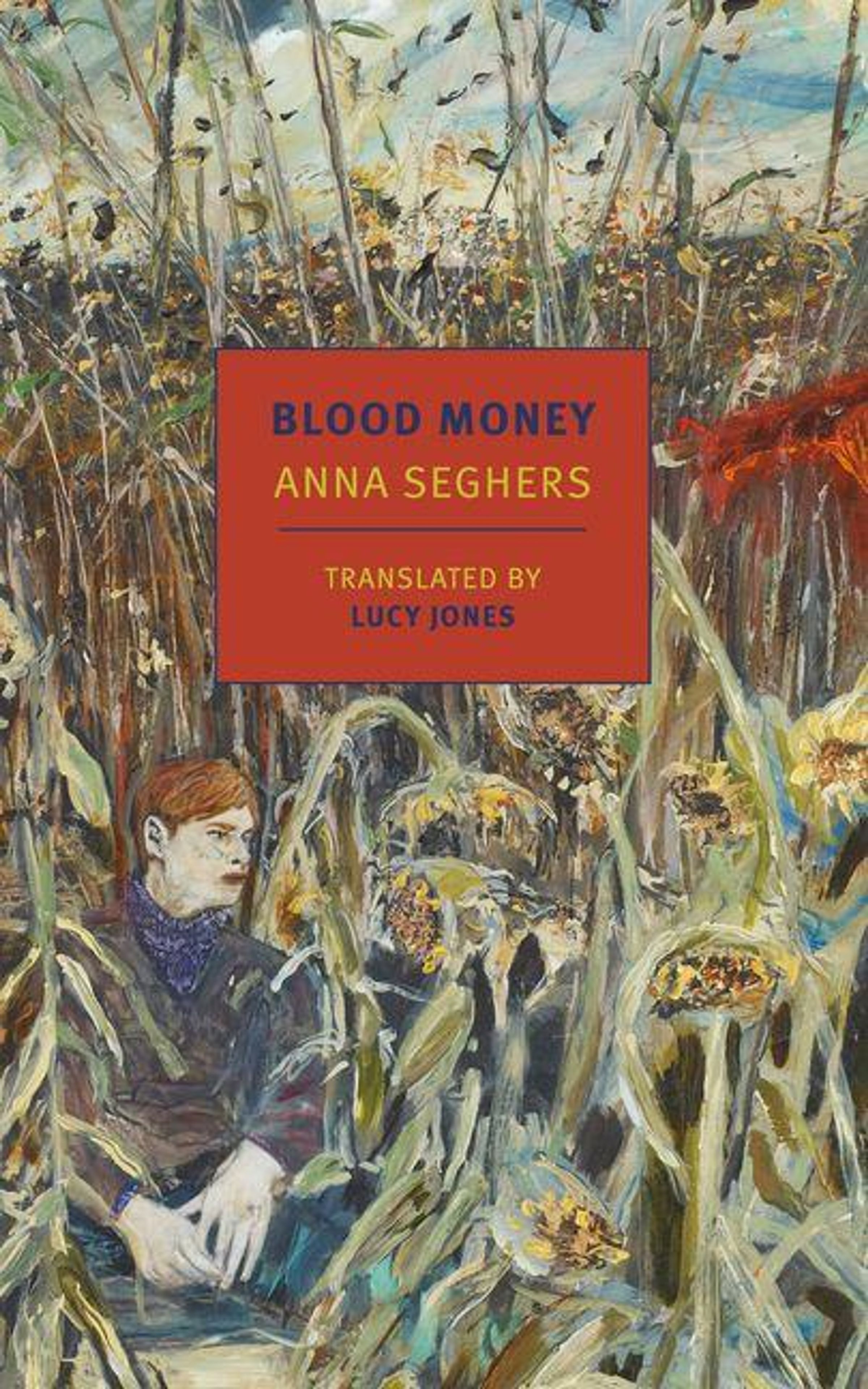
Anna Seghers: Blood Money, Kartoniert / Broschiert
Blood Money
Sie können den Titel schon jetzt bestellen. Versand an Sie erfolgt gleich nach Verfügbarkeit.
- Übersetzung:
- Lucy Jones
- Verlag:
- New York Review of Books, 09/2026
- Einband:
- Kartoniert / Broschiert
- Sprache:
- Englisch
- ISBN-13:
- 9798896230489
- Artikelnummer:
- 12591982
- Umfang:
- 168 Seiten
- Gewicht:
- 367 g
- Maße:
- 203 x 128 mm
- Stärke:
- 12 mm
- Erscheinungstermin:
- 22.9.2026
- Hinweis
-
Achtung: Artikel ist nicht in deutscher Sprache!
Klappentext
A chilling narrative about early Nazism in Germany through the eyes of a wrongfully accused young man, this 1930s novel provides a prescient look at the ways ordinary people are seduced by fascism, to the point of betraying their neighbors.
It's the summer of 1932, and Johann Schulz is accused of killing a police officer during a demonstration. Wanted for murder, Schulz leaves the city to seek shelter with his relatives in a small village on the Rhine. But the Nazis are beginning to recruit there, and it's only a matter of time before the price on his head is too great a temptation for the villagers.
Blood Money , a novel of suspense and political upheaval, tracks the nascent rise of the Hitler movement in a German village: the old farmers disinterested, then capitulating; the young entranced by the promise of action and the rare chance at advancement. Anna Seghers began writing Blood Money in 1932 and completed it in exile a year later, after she was blacklisted in Germany and forced to leave. In this prescient novel, Seghers's dispassionate realism opens our eyes to the massive dimensions of the impending political and moral collapse.