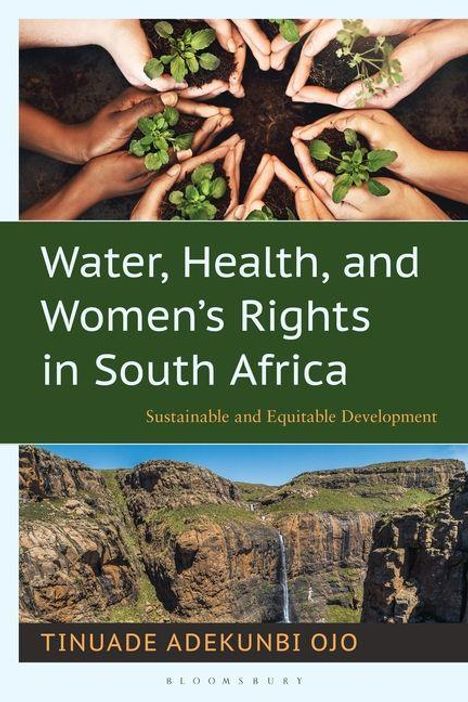
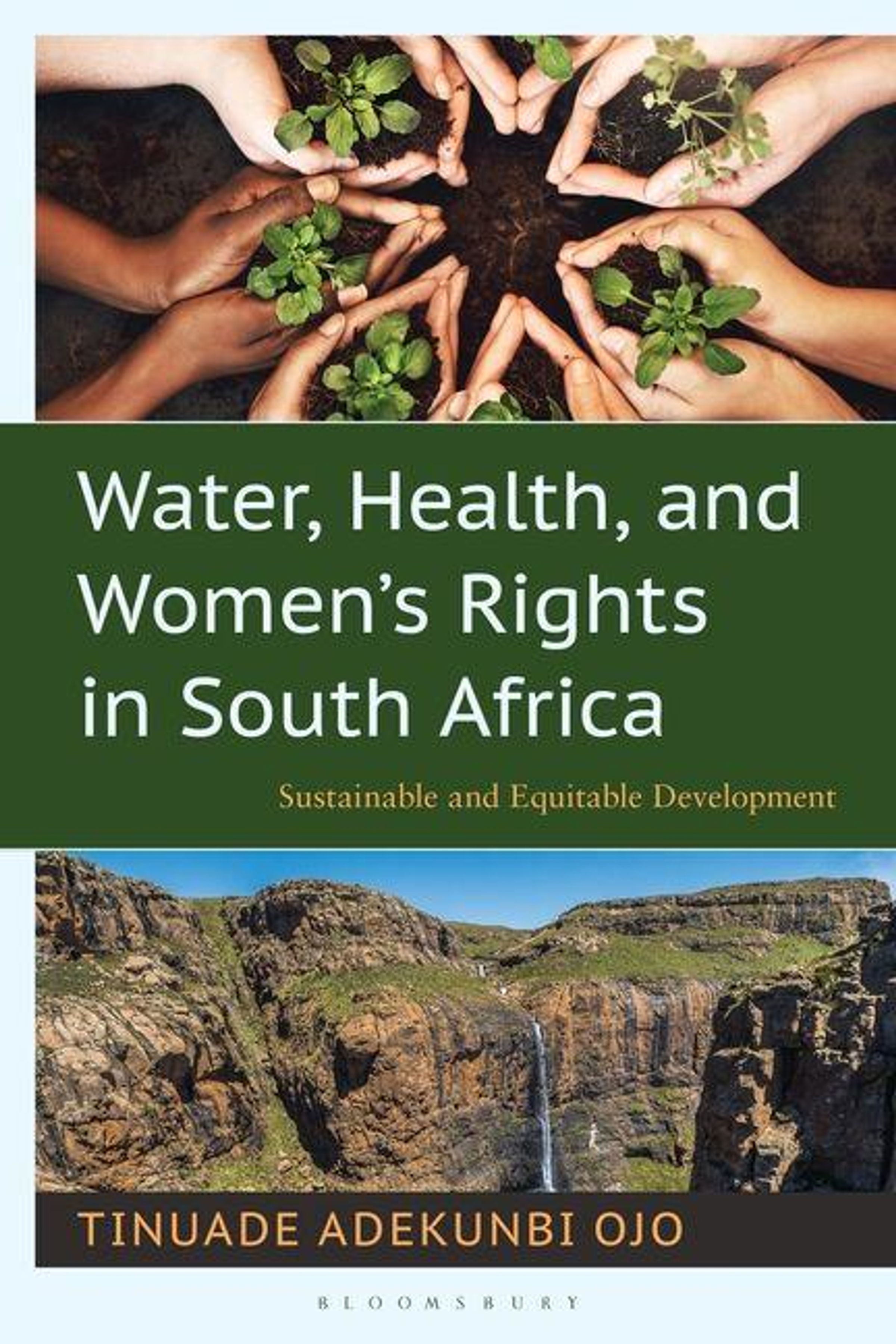
Tinuade Adekunbi Ojo: Water, Health, and Women's Rights in South Africa, Gebunden
Water, Health, and Women's Rights in South Africa
- Sustainable and Equitable Development
Sie können den Titel schon jetzt bestellen. Versand an Sie erfolgt gleich nach Verfügbarkeit.
- Verlag:
- Bloomsbury Academic, 05/2027
- Einband:
- Gebunden
- Sprache:
- Englisch
- ISBN-13:
- 9798216387985
- Artikelnummer:
- 12758337
- Umfang:
- 256 Seiten
- Gewicht:
- 454 g
- Maße:
- 229 x 152 mm
- Stärke:
- 25 mm
- Erscheinungstermin:
- 27.5.2027
- Hinweis
-
Achtung: Artikel ist nicht in deutscher Sprache!
Klappentext
Exploring the critical intersection of water access and sexual and reproductive health and rights (SRHR) for South African women, this book highlights how limited water access disproportionately affects women, and it posits solutions.
Access to clean and reliable water remains a pressing challenge in South Africa, and this book examines the profound impact this issue has on health, socio-economic participation, and gender equality. By analyzing the challenges in water infrastructure and SRHR services-particularly in rural and peri-urban areas-the book identifies policy gaps and the urgent need for integrated solutions.
This book addresses the different dimensions of the water-health-development nexus, starting with the foundational legal and policy context and followed by the health implications of inadequate water access, explicitly focusing on SRHR challenges faced by women, including maternal health and vulnerability to waterborne diseases. Subsequent chapters delve into the economic ramifications of water scarcity for women, including how time spent on water collection limits economic participation, exacerbating poverty and inequality.
In the final chapters, the book provides policy recommendations, advocating for gender-sensitive approaches in water management and SRHR services. This includes recommendations for implementing community-based water management models, expanding public health initiatives, and improving infrastructure in informal settlements to meet the needs of women and promote sustainable development.
Through case studies and policy assessments, it provides actionable recommendations that empower women, promote sustainable development, and advance South Africa's commitment to equitable resource access and gender justice.
Mehr von Tinuade Adekunb...