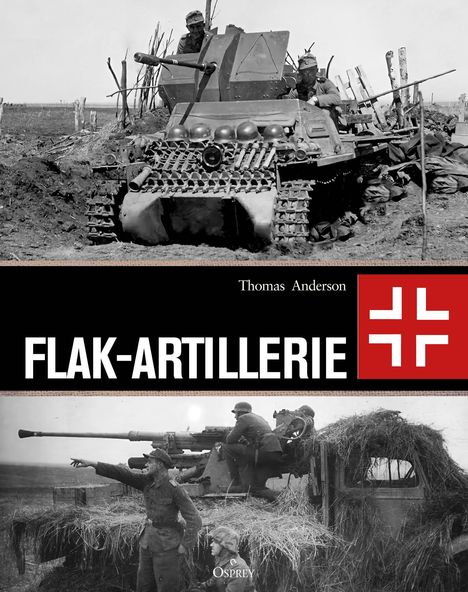
Thomas Anderson: Flak-Artillerie, Gebunden
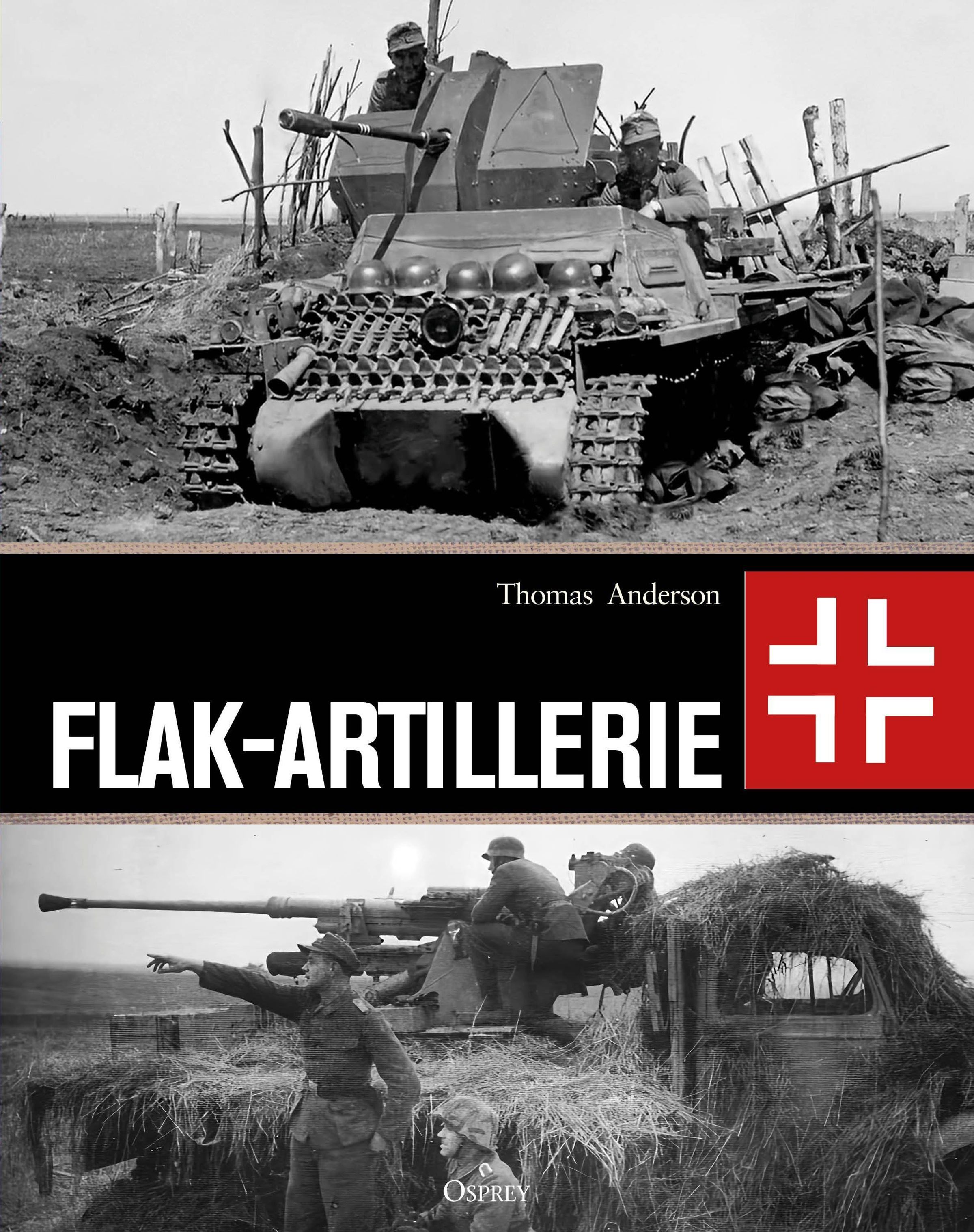
Flak-Artillerie
Sie können den Titel schon jetzt bestellen. Versand an Sie erfolgt gleich nach Verfügbarkeit.
- Verlag:
- Bloomsbury Publishing plc, 01/2027
- Einband:
- Gebunden
- Sprache:
- Englisch
- ISBN-13:
- 9781472865557
- Artikelnummer:
- 12703086
- Umfang:
- 288 Seiten
- Gewicht:
- 454 g
- Maße:
- 242 x 190 mm
- Stärke:
- 25 mm
- Erscheinungstermin:
- 7.1.2027
- Hinweis
-
Achtung: Artikel ist nicht in deutscher Sprache!
Klappentext
Based on first-hand accounts, original documentation and unpublished images, this is a highly illustrated history of the Flak-Artillerie in World War II.
Until the late 19th century wars were fought on land or at sea, but the Siege of Paris during the Franco-Prussian War of 1870 saw the first use of hot-air balloons and aerial warfare was born. The Prussian Army sought a way to counter this development, and introduced the Krupp-built 3.7cm Ballon-Abwehrkanone - the first anti-aircraft weapon, and the source of all future German Flak-Artillerie .
In this new study, German armour expert Thomas Anderson traces the story of German anti-aircraft artillery through the rapid advances of World War I, though the interwar years to the rise of Nazism, German rearmament and World War II. Drawing on after-action reports, original wartime documents and rare and previously unseen photographs, he traces the development of increasingly sophisticated self-propelled anti-aircraft weapons through to the fully armoured Flakpanzer culminating in the Kugelblitz, the Flakpanzer 341 built on the PzKpfw V Panther chassis.
Biografie
Thomas Anderson hat sein Hobby, die deutsche Militärgeschichte von 1933 bis 1945, zu seinem Broterwerb gemacht. Indem er komplizierte Sachverhalte allgemeinverständlich und im Sinne des Wortes "lesbar" vermittelt, schreibt er heute für eine Reihe in- und ausländischer Fachmagazine. Technische Dokumentationen wurden in den USA und in Hong Kong verlegt. Seine Arbeit führt ihn regelmäßig in deutsche und ausländische Archive und Museen, um Originaldokumente zu sichten und auszuwerten. Somit verlässt sich Anderson bei der Vermittlung von historischen und technischen Sachverhalten nicht auf "Erlebtes", "Erinnertes" oder Sekundärliteratur, sondern auf sichere Archivinformationen. Seine offensichtliche Begeisterung für Geschichte und Waffentechnik verbindet er mit einer äußerst kritischen Wertung des jeweiligen Zeitgeschehens.