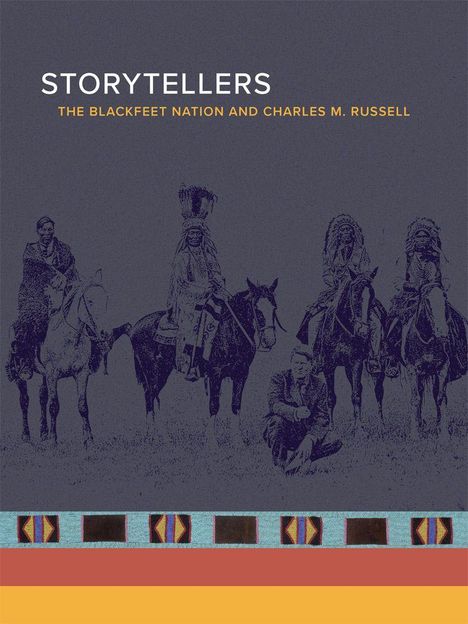
Storytellers, Gebunden
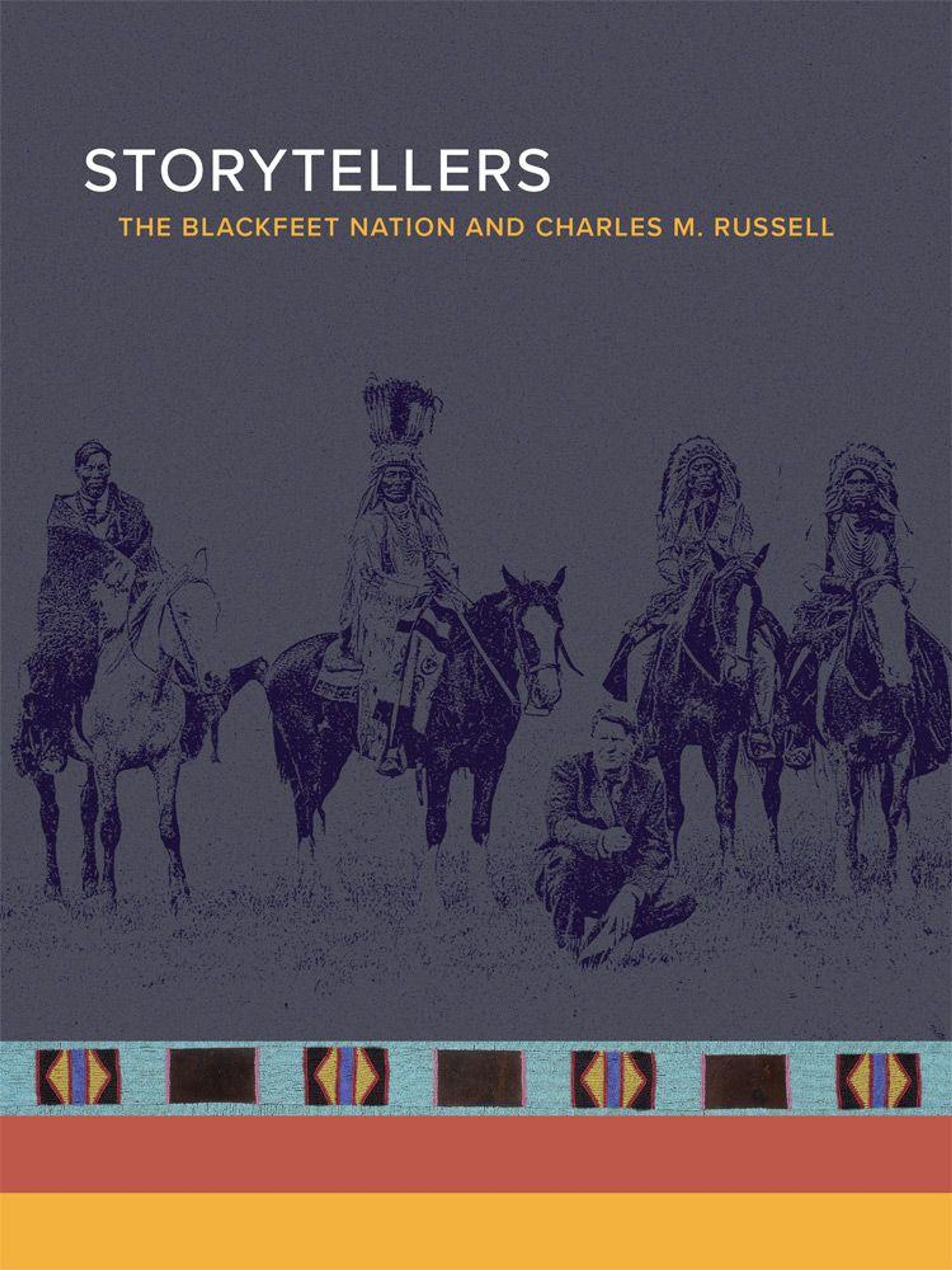
Storytellers
- The Blackfeet Nation and Charles M. Russell
Sie können den Titel schon jetzt bestellen. Versand an Sie erfolgt gleich nach Verfügbarkeit.
- Herausgeber:
- Jr Henneman
- Verlag:
- Denver Art Museum, 10/2026
- Einband:
- Gebunden
- Sprache:
- Englisch
- ISBN-13:
- 9781945483233
- Artikelnummer:
- 12669560
- Umfang:
- 176 Seiten
- Erscheinungstermin:
- 13.10.2026
- Hinweis
-
Achtung: Artikel ist nicht in deutscher Sprache!
Klappentext
Storytellers: The Blackfeet Nation and Charles M. Russell honors the reciprocity between Russell and the Indigenous people on whose land he lived and worked. For the sake of focus and clarity, it celebrates Niitsitapi (Blackfoot Confederacy), and specifically Amskaapii Pikanii (Blackfeet Nation), art and culture. By presenting Niitsitapi objects from the Denver Art Museum's collection alongside Russell's paintings and sculptures, it offers new insight into this largely unexamined intercultural exchange. This project seeks to answer the questions: What can we learn about Russell's life and work when we broaden our lens and redirect our focus to include Indigenous perspectives? And, how is our understanding of the art, history, and cultures of the Northern Great Plains and Rocky Mountain region enhanced when we follow Russell's example of being curious about other cultures and making space for conversation and storytelling?
This is the first known exhibition that gives Indigenous art and culture equal prominence alongside Russell's paintings and sculptures. As such, it is one step toward a broader assessment and intentional indigenization of Russell scholarship. An introductory essay explores the historical context of the period of relevance---the 1880s through the 1920s---and considers two ways we might create a more expansive dialogue around Russell's life and work: first, by shifting attention to the Indigenous people and artworks that influenced him and, second, by broadening our frame of geographical and cultural references.
Emily C. Burns moves deeper into a consideration of how Amskaapii Pikanii art, people, and culture profoundly influenced Russell's practice and artistic vision. Through an analysis that shifts our perspective toward Indigenous epistemologies, Burns demonstrates the ongoing agency of Niitsitapi arts and people both outside of and within Russell's artworks.
Amskaapii Pikanii artist Ni-tah-mah-kwi-i's reminiscences present insights into the challenging early Reservation Era. While Ni-tah-mah-kwi-i (also known as Lone Wolf) and Russell had much in common---they knew each other, spent time working the range, and competed in the same fine art market--- Ni-tah-mah-kwi-i's story reveals aspects of Indigenous life that rarely show up in Russell's art.
Finally, content contributed by Amskaapii Pikanii advisors, in addition to content from sources available in the bibliography, accompanies illustrations of works in the exhibition.