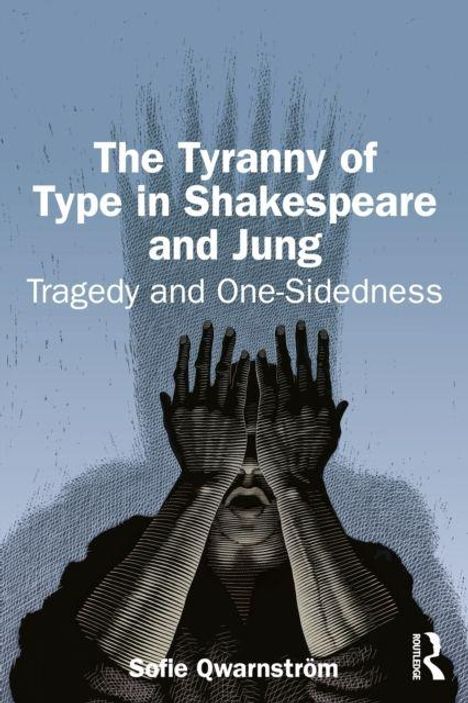
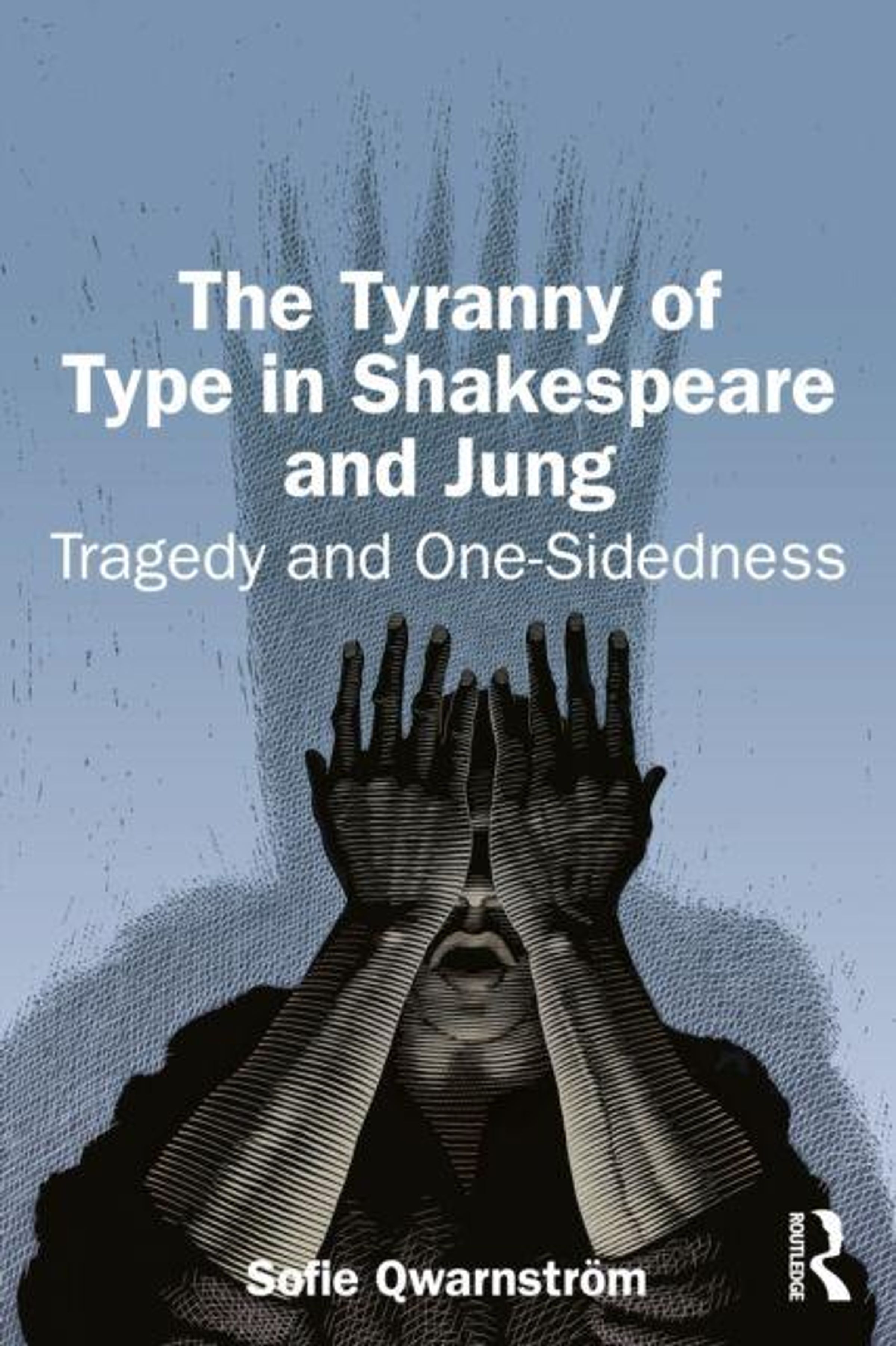
Sofie Qwarnstrom: The Tyranny of Type in Shakespeare and Jung, Gebunden
The Tyranny of Type in Shakespeare and Jung
- Tragedy and One-Sidedness
Sie können den Titel schon jetzt bestellen. Versand an Sie erfolgt gleich nach Verfügbarkeit.
- Verlag:
- Taylor & Francis Ltd, 11/2026
- Einband:
- Gebunden
- Sprache:
- Englisch
- ISBN-13:
- 9781041091929
- Artikelnummer:
- 12861397
- Umfang:
- 328 Seiten
- Erscheinungstermin:
- 5.11.2026
- Hinweis
-
Achtung: Artikel ist nicht in deutscher Sprache!
Weitere Ausgaben von The Tyranny of Type in Shakespeare and Jung |
Preis |
|---|---|
| Buch, Kartoniert / Broschiert, Englisch | EUR 75,38* |
Klappentext
This book reads Shakespeare's plays through the lens of Jung's theory of psychological types, and shows how Shakespeare dramatises personality imbalance, one-sidedness, and the neglected inferior function; anticipating the analyst by three hundred years.
Shedding a new light on Shakespeare's characters in order to help you gain a deeper understanding of Jung's Psychological Types; these chapters flesh out the role of the inferior function in communication, resilience, and conflict. With an eye to the dream-like logic of Shakespeare's plays, this book uses the lens of Jung's typology to set up Coriolanus, Timon of Athens, Richard II, King Lear, Othello, Much Ado About Nothing, Macbeth and Julius Caesar in pairs of contrasting typological constellations, or case studies, of different forms of one-sidedness. The author shows how extreme identification with a single psychological principle slowly comes to define the whole of our experiential reality, and how this leads to inner division, failure to integrate the less developed sides of ourselves (the inferior functions) and destructive consequences for both individual mental health and societal wellbeing.
This study of personality extremes contributes to the clinical understanding of one-sidedness and the inferior function by giving body to Jung's theory of psychological types. It also expands the scope of psychoanalytic literary criticism. It is intended for analysts, scholars and students of Shakespeare, analytical psychology, and related humanities disciplines, as well as clinicians and general readers interested in personality, character-based conflict, and the psychological dimensions of literature.