Shelley Streeby: Science Fiction Ecologies, Gebunden
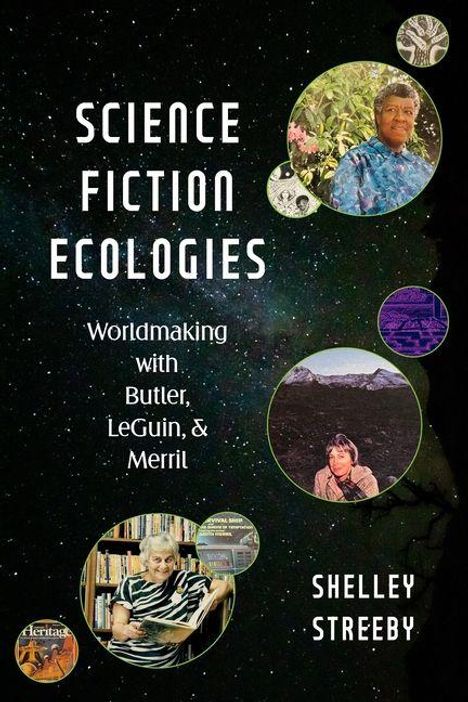
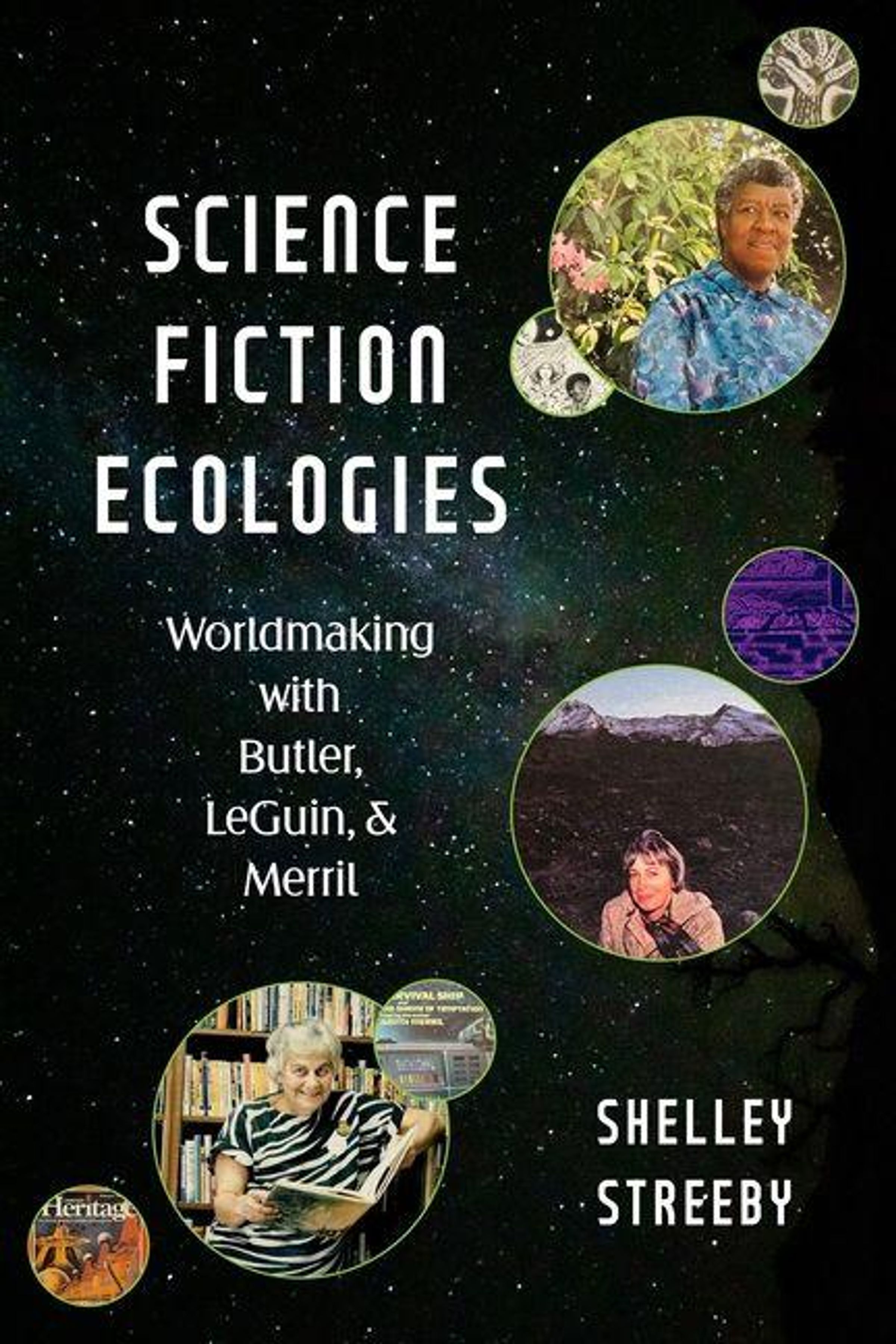
Science Fiction Ecologies
- Worldmaking with Butler, Le Guin, and Merril
(soweit verfügbar beim Lieferanten)
- Verlag:
- NYU Press - IPS, 08/2026
- Einband:
- Gebunden
- Sprache:
- Englisch
- ISBN-13:
- 9781479833405
- Artikelnummer:
- 12656544
- Umfang:
- 378 Seiten
- Gewicht:
- 676 g
- Maße:
- 229 x 152 mm
- Stärke:
- 25 mm
- Erscheinungstermin:
- 25.8.2026
- Hinweis
-
Achtung: Artikel ist nicht in deutscher Sprache!
Weitere Ausgaben von Science Fiction Ecologies |
Preis |
|---|---|
| Buch, Kartoniert / Broschiert, Englisch | EUR 36,16* |
Klappentext
Explores how feminist science-fiction writers engage with ecological and environmental speculation and memory-work.
Science Fiction Ecologies traces how Octavia E. Butler, Ursula K. Le Guin, and Judith Merril -- three generations of groundbreaking feminist science fiction writers---used ecological imagination and rigorous memory-work to rethink environments, histories, and possible futures. Shelley Streeby mines their expansive personal archives of letters, journals, notebooks, annotated clippings, and other everyday materials to show how each writer documented environmental news, social movements, colonial and imperial legacies, and the accelerating militarism of the late twentieth century. This archival labor, Streeby argues, was not ancillary but central to their worldmaking: a form of "histofuturist" practice that linked creative speculation to the preservation and reimagining of knowledge.
Against a backdrop of shrinking public library budgets, intensifying weapons development, and the rise of privatization politics, Butler, Le Guin, and Merril fought for the survival of libraries and the democratic circulation of ideas. Their activism, along with their contributions to popular science-fiction culture and their public interventions, reveals how they imagined libraries, archives, and other knowledge spaces as living ecologies shaped by power, identity, and access.
Through speculative documentary methods, Science Fiction Ecologies illuminates the counter-histories embedded in their papers, tracing how their visions challenged ecologies dominated by state power, white Christian nationalism, violent masculinities, and entrenched class and race inequalities. Streeby ultimately shows how these writers' intertwined lives and works open new ways of thinking about environments, human survival, and the futures we might yet build.