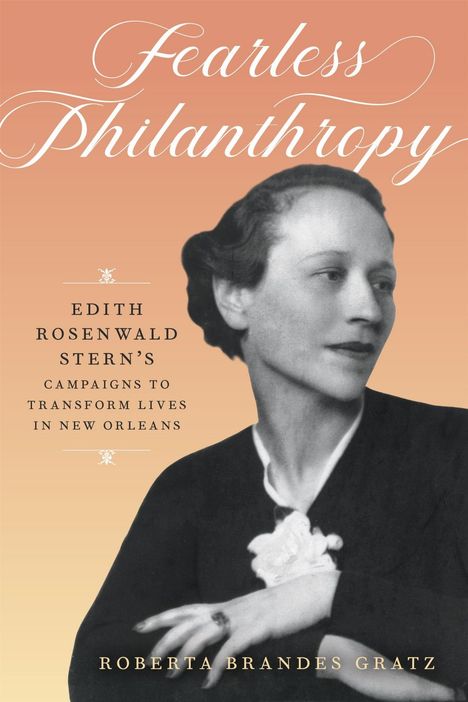
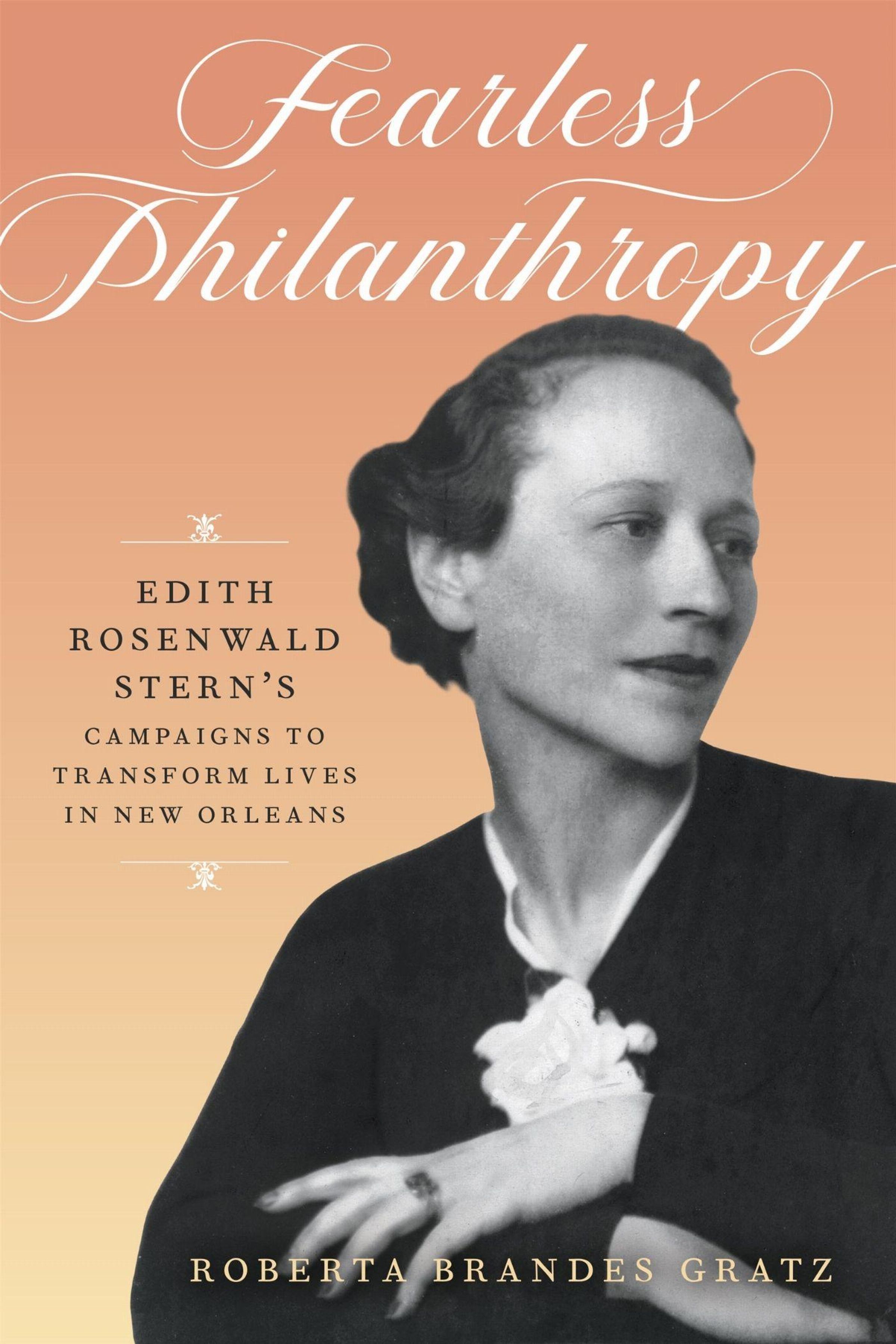
Roberta Brandes Gratz: Fearless Philanthropy, Gebunden
Fearless Philanthropy
- Edith Rosenwald Stern's Campaigns to Transform Lives in New Orleans
Sie können den Titel schon jetzt bestellen. Versand an Sie erfolgt gleich nach Verfügbarkeit.
- Verlag:
- Louisiana State University Press, 10/2026
- Einband:
- Gebunden
- Sprache:
- Englisch
- ISBN-13:
- 9780807186534
- Artikelnummer:
- 12688972
- Umfang:
- 280 Seiten
- Gewicht:
- 576 g
- Maße:
- 229 x 152 mm
- Stärke:
- 21 mm
- Erscheinungstermin:
- 28.10.2026
- Hinweis
-
Achtung: Artikel ist nicht in deutscher Sprache!
Klappentext
In Fearless Philanthropy, Roberta Brandes Gratz tells the story of Edith Rosenwald Stern---rich, progressive, and Jewish---who arrived in New Orleans in 1921, the wife of successful cotton broker Edgar Bloom Stern. Edith encountered a city rife with racism and antisemitism, and run by a set of entrenched social rules that she was not about to abide by. Her father, Julius Rosenwald of Sears & Roebuck, one of the richest men in America, had begun transforming lives of Black Americans in the South through his efforts to promote Black education. Edith proceeded to follow in his footsteps, and with her willing partner Edgar helped revolutionize aspects of New Orleans still visible today.
In telling the story of the Sterns, Gratz spotlights the outsider category of Jews in New Orleans, the specific impacts of the Mardi Gras social structure upon them, and the Sterns' influence on education in the South. Edith founded two pioneering educational institutions, while Edgar led a biracial group in the founding of Dillard University and Flint-Goodridge Hospital to serve the Black community. In 1947, Edgar purchased New Orleans radio station WDSU for son Edgar Jr. to run, and a year later Edgar Jr. opened WDSU-TV, the sixth major television station in the South. WDSU editorials favoring school integration, together with Edith's financial support of the desegregation campaign of the local women's group Save Our Schools, had a great impact during a volatile time. Edgar's rebuilding of the St. Louis Hotel (now the Royal Orleans), begun in the late 1940s and continued throughout the next decade, helped initiate the revitalization of the deteriorating French Quarter. As if that weren't enough, the Sterns led the development of Pontchartrain Park, the first Black middle-class housing development in the United States backed by the FHA.
Gratz's passionate account of Edith and Edgar Stern, showing how they grappled with issues of Black rights, philanthropy, civil rights, education, historic preservation, and the arts in a political and social climate antagonistic to change, provides a fascinating chronicle of New Orleans during a period of pivotal development.