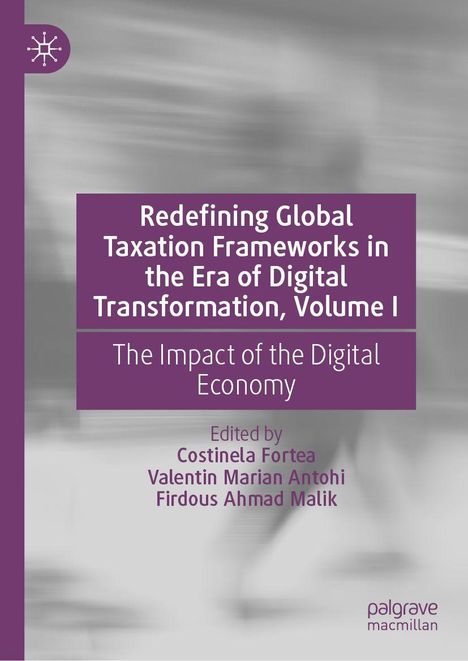
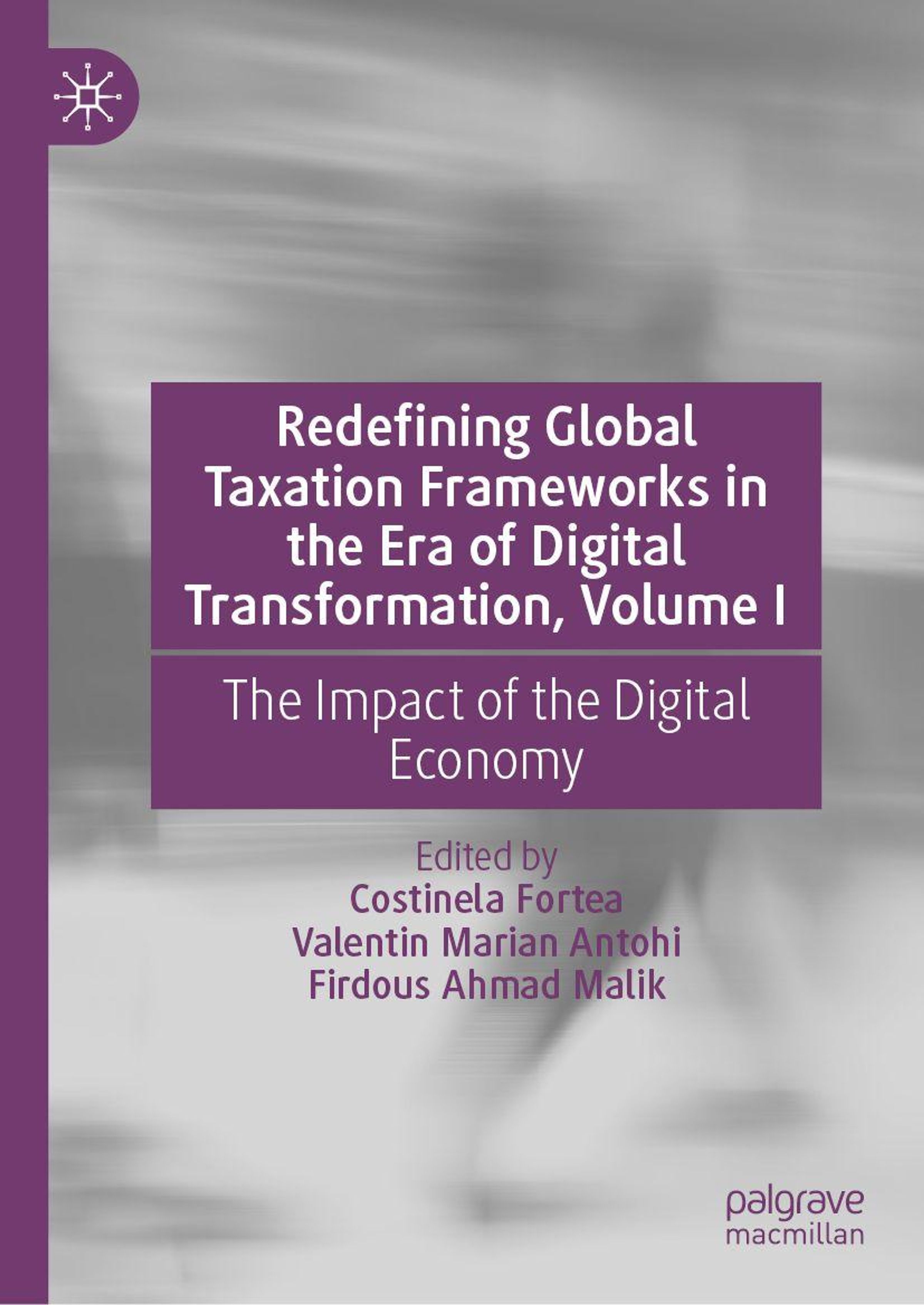
Redefining Global Taxation Frameworks in the Era of Digital Transformation, Volume I, Gebunden
Redefining Global Taxation Frameworks in the Era of Digital Transformation, Volume I
- The Impact of the Digital Economy
Sie können den Titel schon jetzt bestellen. Versand an Sie erfolgt gleich nach Verfügbarkeit.
- Herausgeber:
- Costinela Fortea, Valentin Marian Antohi, Firdous Ahmad Malik
- Verlag:
- Springer-Verlag GmbH, 11/2026
- Einband:
- Gebunden
- Sprache:
- Englisch
- ISBN-13:
- 9783032110381
- Artikelnummer:
- 12491742
- Sonstiges:
- Approx. 250 p. 30 illus.
- Erscheinungstermin:
- 13.11.2026
- Hinweis
-
Achtung: Artikel ist nicht in deutscher Sprache!
Klappentext
This two-volume edited collection explores how the rapid advancement of emerging technologies such as artificial intelligence, blockchain and the platform economy is challenging international tax systems to adapt to a new economic reality. In an economic world characterized by increased capital mobility, complex cross-border flows and smart business models, while practices such as base erosion and profit shifting (BEPS) are simultaneously reducing states' tax revenues and amplifying pressures on governments to rethink the global tax architecture, the book provides a comprehensive and integrated analysis of the impact of the digital transformation on global taxation.
The book draws on research from around the globe to identify current gaps and propose concrete solutions to develop sustainable, equitable and resilient tax frameworks. One of the book's most compelling insights is its critical analysis of traditional paradigms of taxation that were designed for an industrial economy based on tangible assets and physical presence. The book demonstrates that these concepts are outdated in today's context, where economic value is predominantly created through data, intellectual property and platform-based business models. At the same time, the contributions explore the limitations of possible solutions, paying specific attention to their varying effectiveness between developed and emerging economies. This is a vital resource for economists, researchers and tax professionals in understanding and implementing tax systems that are fair, efficient and adaptable to new economic realities.