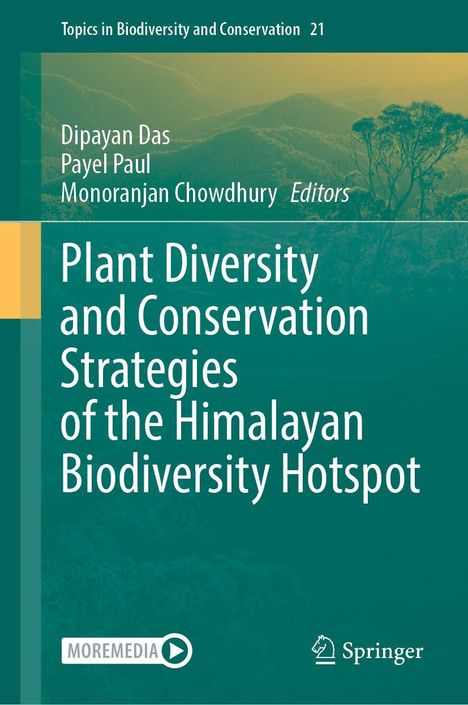
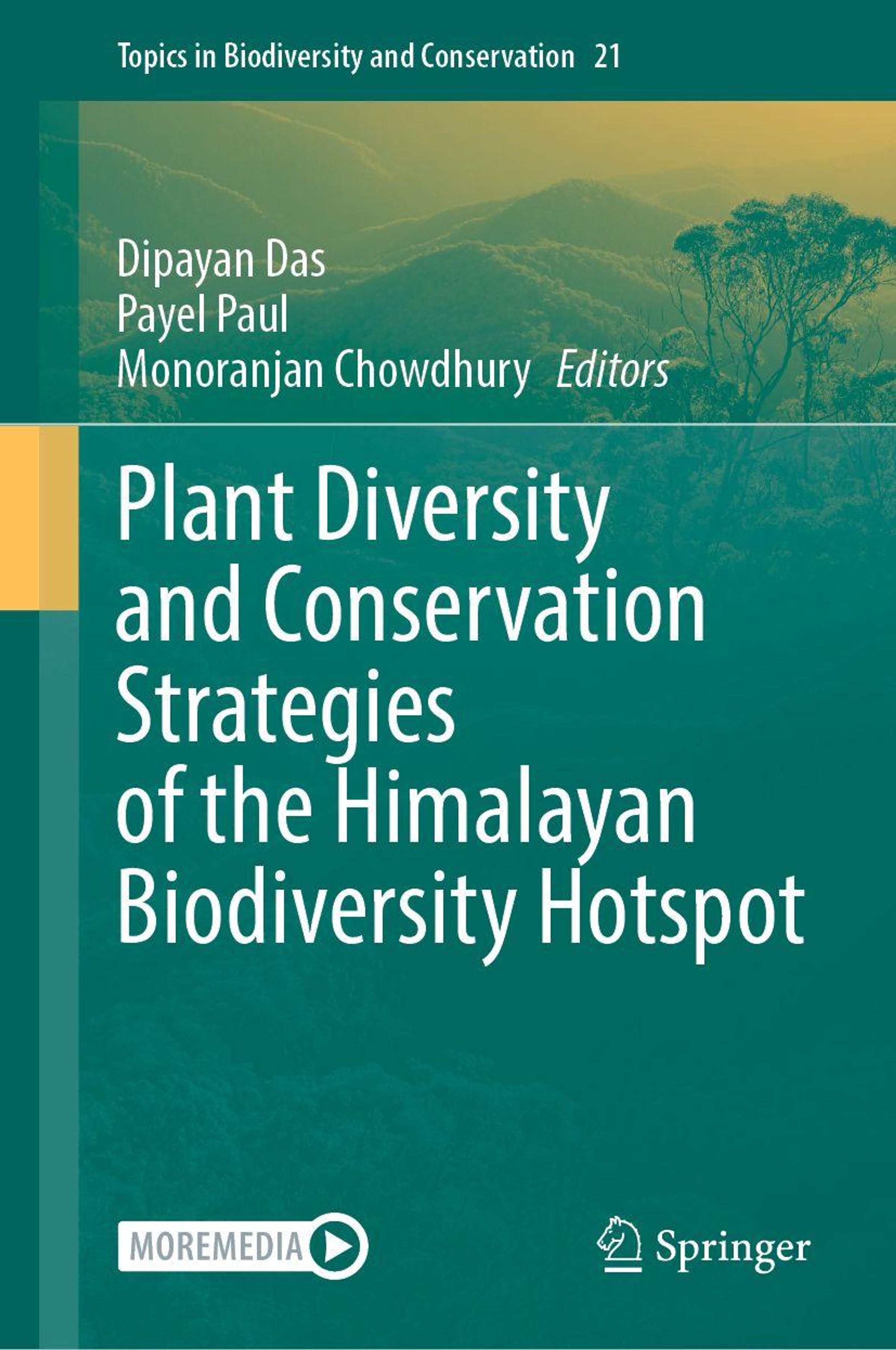
Plant Diversity and Conservation Strategies of the Himalayan Biodiversity Hotspot, Gebunden
Plant Diversity and Conservation Strategies of the Himalayan Biodiversity Hotspot
(soweit verfügbar beim Lieferanten)
- Herausgeber:
- Dipayan Das, Payel Paul, Monoranjan Chowdhury
- Verlag:
- Springer, 07/2026
- Einband:
- Gebunden
- Sprache:
- Englisch
- ISBN-13:
- 9783032216960
- Artikelnummer:
- 12751657
- Umfang:
- 420 Seiten
- Gewicht:
- 791 g
- Maße:
- 241 x 160 mm
- Stärke:
- 29 mm
- Erscheinungstermin:
- 12.7.2026
- Serie:
- Topics in Biodiversity and Conservation - Band 21
- Hinweis
-
Achtung: Artikel ist nicht in deutscher Sprache!
Klappentext
The Himalayas, also known as the Roof of the World, is a vital biodiversity hotspot, encompassing steep slopes, snow-capped peaks, and glaciers. Despite its richness in montane flora, it ranks fourth among the world's most threatened biodiversity hotspots due to urbanization, industrialization, and climate change. This book addresses the urgent need for effective biodiversity conservation strategies in this unique region.
Edited by a team of leading experts, this comprehensive volume synthesizes research findings on the current state of Himalayan biodiversity, examining factors driving its decline and proposing actionable conservation strategies. Contributions from experienced researchers, provide in-depth insights into the impacts of habitat loss, illegal wildlife trade, forest fires, and global warming on the delicate ecosystem.
Key topics covered include:
The present status of Himalayan flora and fauna
Various threats to the Himalayan hotspot
Conservation and management policies
Recent taxonomic and ecological approaches in biodiversity conservation
Evolutionary patterns and diversity of Himalayan flora
Modes and consequences of biodiversity destruction
Sustainable eco-tourism in Himalayan forests
Spanning the regions of India, Nepal, Bhutan, and Pakistan, this work offers an extensive overview of the entire Himalayan biodiversity and its conservation efforts. It aims to represent a collective summary of the severe impacts of anthropogenic activities on the Himalayan ecosystem and to propose both local and global efforts needed for biodiversity conservation. It will serve as an essential resource for government and NGO planners, researchers, plant biologists, taxonomists, and academicians involved in environmental and conservation studies, eco-tourism, and disaster management.