
Philip Scranton: Spare Parts, Kartoniert / Broschiert
Spare Parts
Sie können den Titel schon jetzt bestellen. Versand an Sie erfolgt gleich nach Verfügbarkeit.
- Verlag:
- Hopkins Fulfillment Service, 10/2026
- Einband:
- Kartoniert / Broschiert
- Sprache:
- Englisch
- ISBN-13:
- 9781421455440
- Artikelnummer:
- 12617249
- Umfang:
- 418 Seiten
- Gewicht:
- 558 g
- Maße:
- 229 x 152 mm
- Stärke:
- 25 mm
- Erscheinungstermin:
- 13.10.2026
- Hinweis
-
Achtung: Artikel ist nicht in deutscher Sprache!
Klappentext
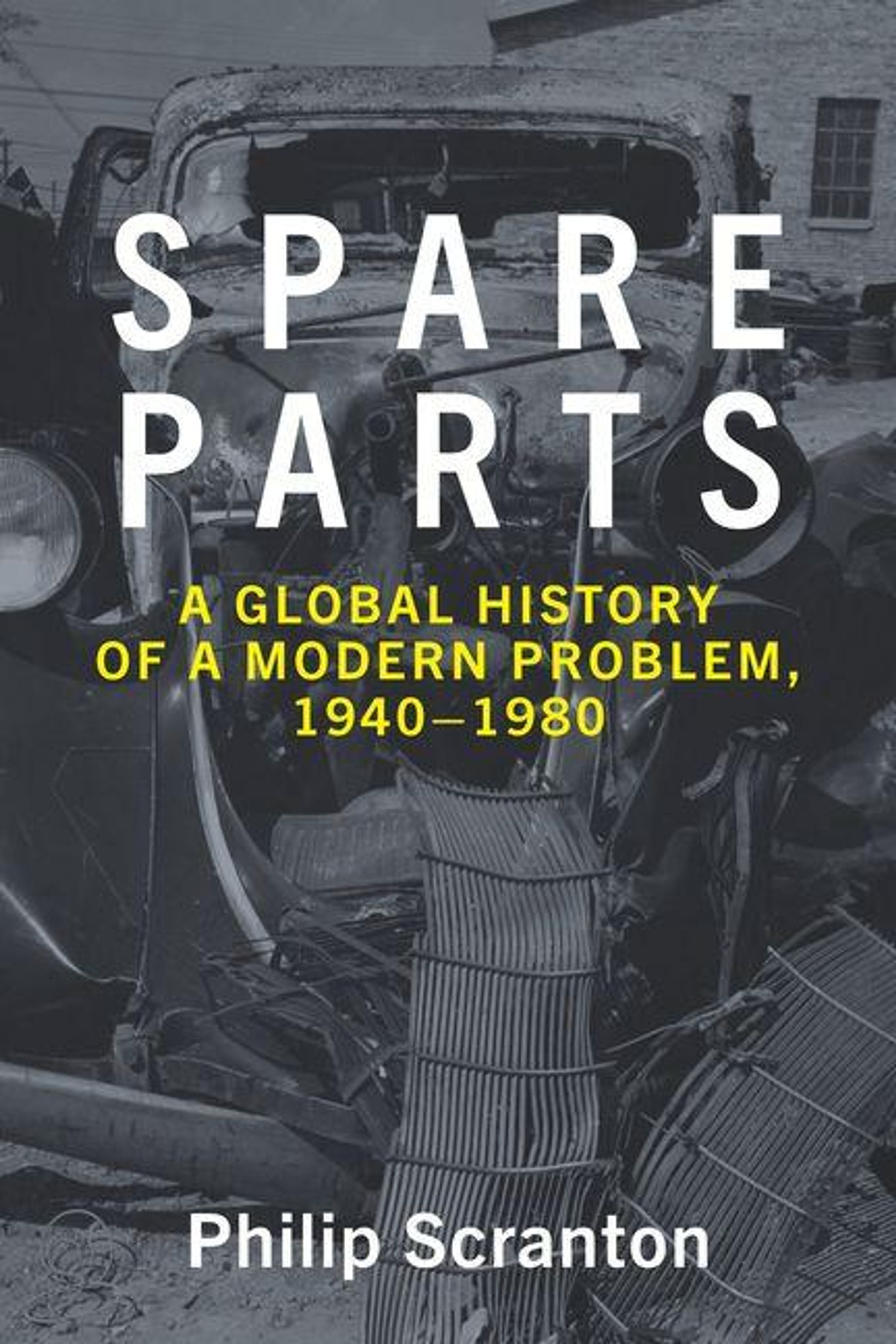
When machines break, entire systems are exposed. Spare Parts tells the global history of replacement components and shows how their absence-or abundance-has shaped warfare, industry, and everyday life in the twentieth century. Philip Scranton traces the production, distribution, and use of spare parts across capitalist, socialist, and postcolonial economies from World War II through the Cold War. During WWII, parts proved as decisive as fuel or ammunition, determining whether tanks moved, aircraft flew, and factories functioned. In its aftermath, parts shortages became a chronic problem in centrally planned economies, while market societies faced different dilemmas created by rapid technological change, obsolescence, and corporate strategy. Focusing on vehicles, agricultural machinery, and radio and television technologies, Scranton reveals how repair practices differed across political systems. In socialist states, chronic shortages encouraged improvisation, scavenging, and informal exchange. In capitalist economies, parts became tools of profit, control, and planned abandonment, often pushing consumers toward replacement rather than repair. Scranton also follows spare parts beyond the superpowers, examining how postcolonial nations navigated inherited infrastructures and how parts functioned as instruments of geopolitical leverage. Charting the decline of repair culture in the late twentieth century, as durable vehicles and disposable electronics reshaped expectations about maintenance and longevity, Spare Parts reframes a familiar frustration as a central feature of modern history and offers new insight into technology, power, and the hidden systems that keep the world running.