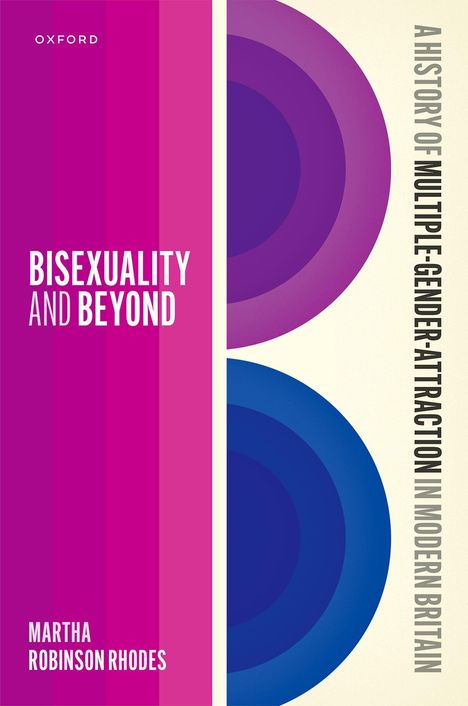
Martha Robinson Rhodes: Bisexuality and Beyond, Gebunden
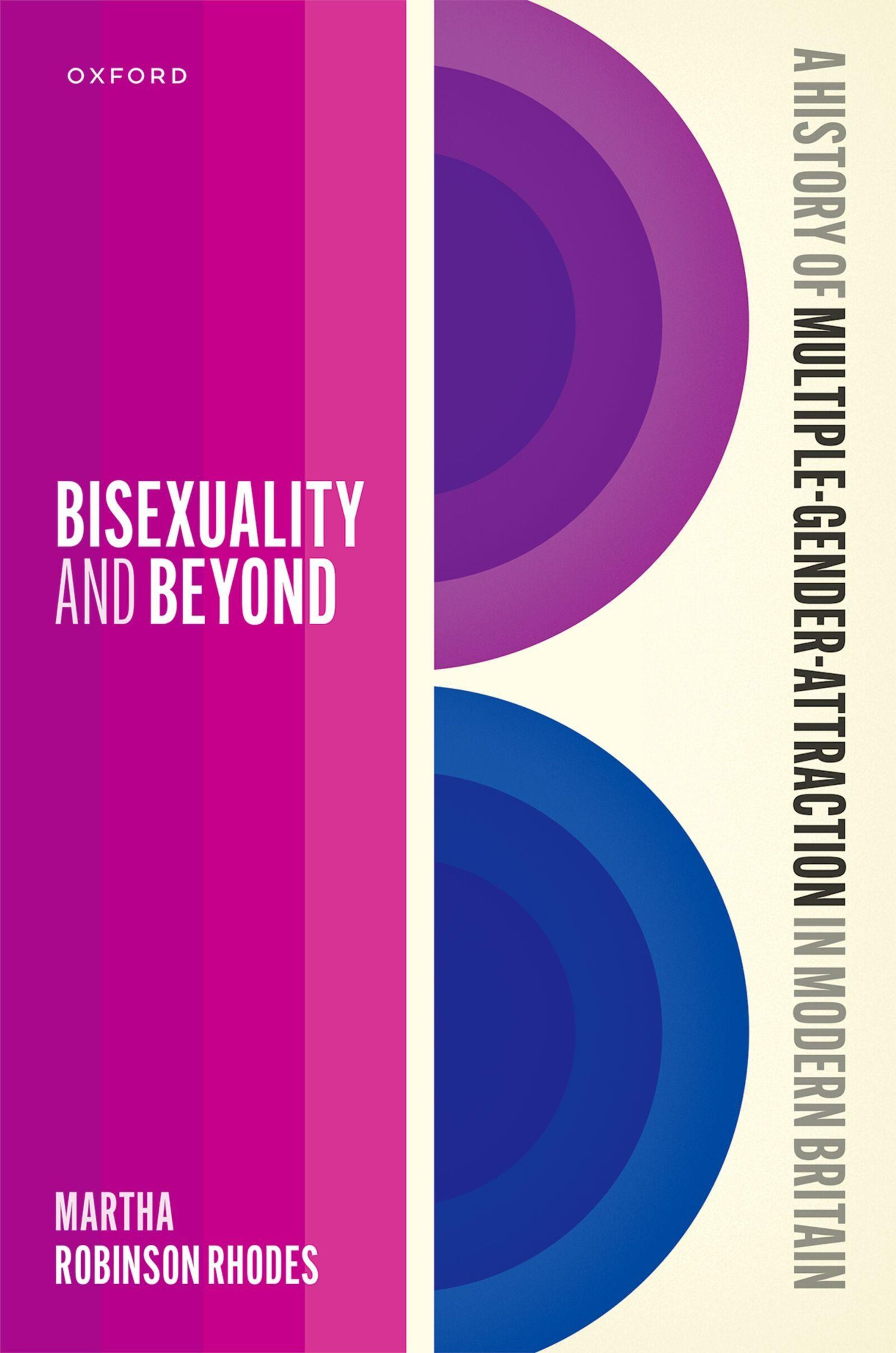
Bisexuality and Beyond
- A History of Multiple-Gender-Attraction in Modern Britain
Sie können den Titel schon jetzt bestellen. Versand an Sie erfolgt gleich nach Verfügbarkeit.
- Verlag:
- Oxford University Press, 08/2026
- Einband:
- Gebunden
- Sprache:
- Englisch
- ISBN-13:
- 9780198983125
- Artikelnummer:
- 12565387
- Umfang:
- 208 Seiten
- Gewicht:
- 467 g
- Maße:
- 240 x 165 mm
- Stärke:
- 23 mm
- Erscheinungstermin:
- 28.8.2026
- Hinweis
-
Achtung: Artikel ist nicht in deutscher Sprache!
Klappentext
Historians of sexuality agree that the binary divide between gay and straight is a relatively recent social invention, only becoming dominant around the mid-twentieth-century. But focus on this binary has oversimplified and skewed the history of sexuality.
Bisexuality and Beyond is the first historical study of bisexuality in Britain. It utilizes oral histories alongside extensive archival research to explore the creation of the gay / straight binary from the perspective of those who fell beyond its limits, challenging historical narratives about liberationist politics and identity formation. By considering the broader circumstances of this period, the book investigates the problems of defining bisexuality and its politics coherently, and of navigating its relationship to gay and lesbian politics.
To do so, the author coins the concept of 'multiple-gender-attraction', an umbrella term that encompasses and extends beyond the category of bisexuality: people who identified as bisexual experienced multiple-gender-attraction, but many who did not identify as bisexual were attracted to multiple genders as well. It is not an identity label, but a description of potential attraction, drawing on queer historical approaches to explore the blurred distinctions between emotions, behaviour, and identity.
Through detailed histories of the gay liberation movement, lesbian feminism, and Britain's first bisexual organisations, Bisexuality and Beyond argues that the binary of gay and straight was created and reinforced by gay and lesbian politics as well as dominant straight society. By placing bisexuality and multiple-gender-attraction squarely in the frame, this book changes how we understand the emergence of identity politics in modern Britain, challenging established notions about the 'queer' inclusivity of counter-cultural activism and intervening in histories of identity, selfhood, community, and radicalism.