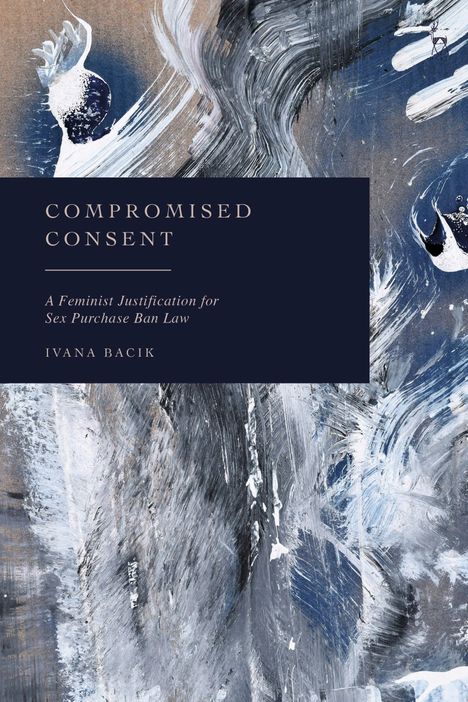
Ivana Bacik: Compromised Consent, Gebunden
Compromised Consent
- A Feminist Justification for Sex Purchase Ban Laws
(soweit verfügbar beim Lieferanten)
- Verlag:
- Bloomsbury Publishing PLC, 08/2026
- Einband:
- Gebunden
- Sprache:
- Englisch
- ISBN-13:
- 9781509996742
- Artikelnummer:
- 12617793
- Umfang:
- 208 Seiten
- Gewicht:
- 454 g
- Maße:
- 234 x 156 mm
- Stärke:
- 25 mm
- Erscheinungstermin:
- 6.8.2026
- Serie:
- Hart Publishing
- Hinweis
-
Achtung: Artikel ist nicht in deutscher Sprache!
Klappentext
This book offers a fresh feminist perspective on prostitution. It challenges the 'sex work' perspective, drawing on experience from rape law and #MeToo campaigns in Ireland and elsewhere to develop a new legal concept of 'compromised consent'.
This concept justifies the introduction of Nordic Model laws banning the purchase of sex. It recognises that an individual consent to sell sex is necessarily compromised by structural exploitation within the vastly profitable global sex industry.
While 'sex work' proponents increasingly dominate academic discourse on prostitution, this book asserts that they have co-opted the language of feminism to mask the immense power and patriarchal control exerted by the industry. Their view of 'consent' is based on a dangerous premise. They cannot say that those who sell sex do so out of mutual desire; rather consent is portrayed as an expression of individual choice, thus ignoring the intersectional gendered collective context within which commercial sex transactions take place worldwide.
By contrast, this book argues that presumptions of 'consent' in prostitution directly undermine the legal principles of affirmative consent and contemporary law reforms hard-won by feminist activists on rape and gender-based violence. A view of consent as 'compromised' within the sex trade derives from socialist theorising, as well as from legal re-conceptualisations of consent in other settings. It also reflects the reality of conditions within the sex industry.
This book will be of great interest to students, academics, policy makers and feminist activists. It makes a significant contribution in challenging the dominant thinking within a highly polarised literature.