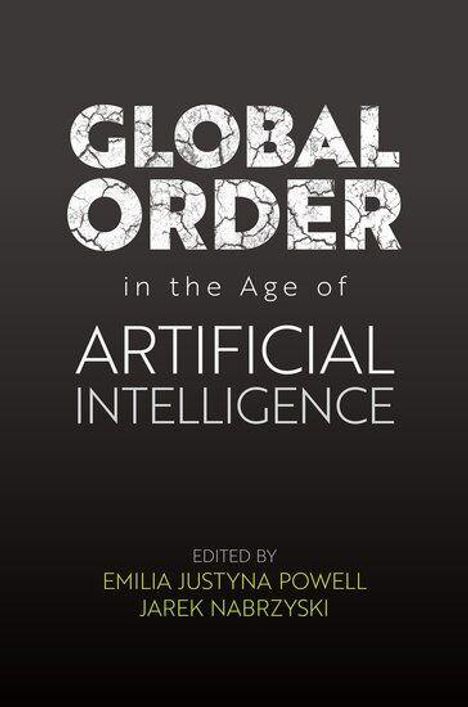
Global Order in the Age of Artificial Intelligence, Kartoniert / Broschiert
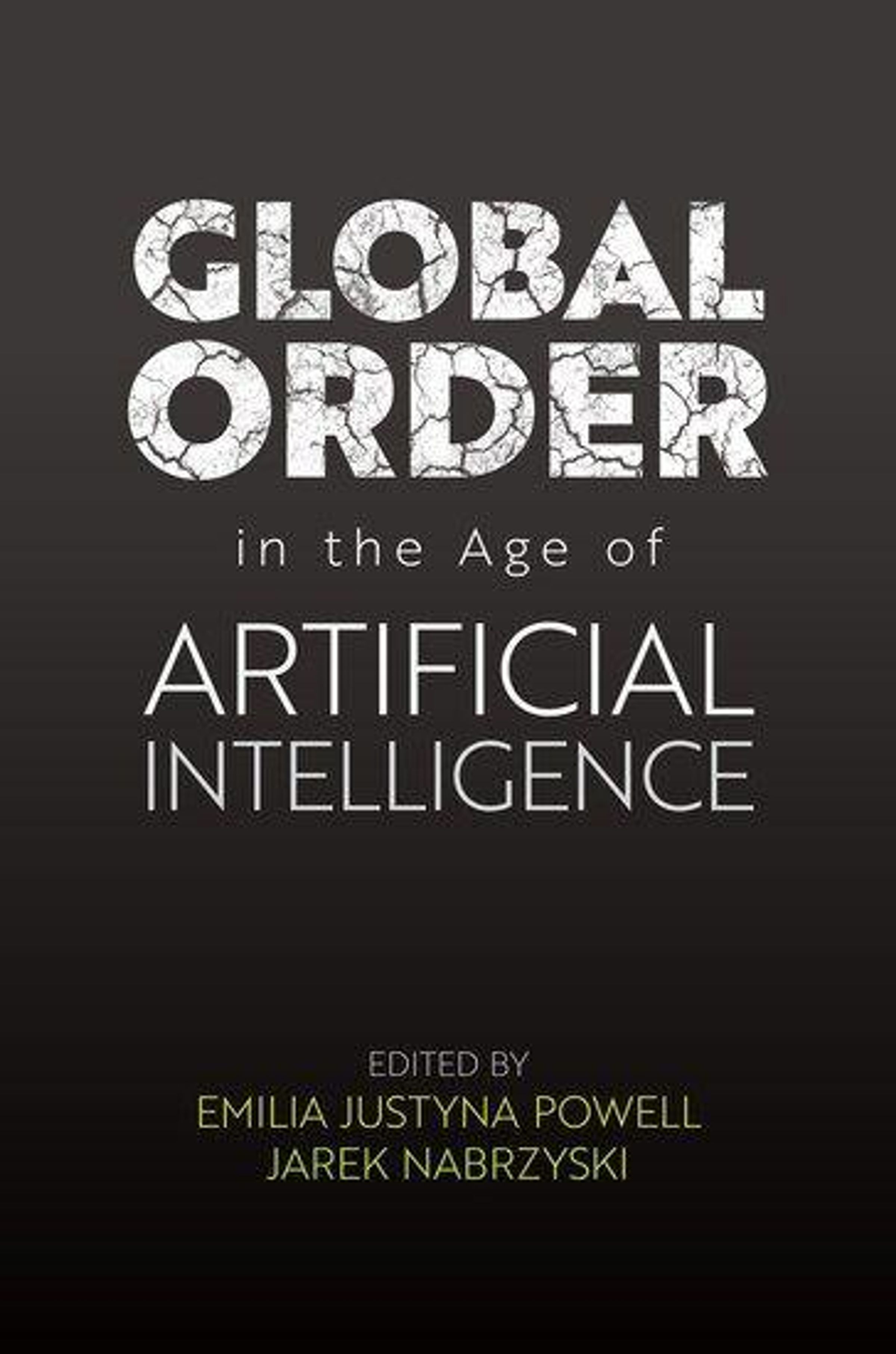
Global Order in the Age of Artificial Intelligence
Sie können den Titel schon jetzt bestellen. Versand an Sie erfolgt gleich nach Verfügbarkeit.
- Herausgeber:
- Emilia Justyna Powell, Jarek Nabrzyski
- Verlag:
- Oxford University Press, 02/2027
- Einband:
- Kartoniert / Broschiert
- Sprache:
- Englisch
- ISBN-13:
- 9780197856185
- Artikelnummer:
- 12803321
- Umfang:
- 312 Seiten
- Erscheinungstermin:
- 16.2.2027
- Hinweis
-
Achtung: Artikel ist nicht in deutscher Sprache!
Weitere Ausgaben von Global Order in the Age of Artificial Intelligence |
Preis |
|---|---|
| Buch, Gebunden, Englisch | EUR 136,09* |
Klappentext
The rise of advanced Artificial Intelligence (AI) represents a transformative shift in global power structures, governance, and ethical norms. Modern AI systems, particularly generative AI and foundational models, exhibit emergent behaviors--unanticipated capabilities that arise when these systems are scaled up--introducing ethical and governance challenges previously unimaginable. Unlike in previous technological revolutions, AI's development is driven by decentralized, multinational actors, including private entities (the developers of AI systems) who increasingly function as de facto policymakers, challenging traditional regulatory frameworks and empowering these actors to shape societal norms and access.
In Global Order in the Age of Artificial Intelligence, Emilia Justyna Powell and Jarek Nabrzyski bring together an interdisciplinary cast of leading experts to conduct a wide-ranging exploration of the ways AI is reshaping the global order. The volume illustrates how AI is transforming international relations, security, and institutional legitimacy, and investigates who has the authority to redefine global interactions in the age of AI. The collection addresses three interrelated questions: What is the future of the global order and does that order need to reinvent itself? How ought AI technology be integrated into the institutional fabric of the world? And, importantly, which groups of international actors have the power and authority to reconceptualize and reorder pre-existing global interactions? Chapter authors address these questions as well as the critical challenges presented by AI in governance, international security, ethics, human rights, national security, and sustainability.
Heeding the many calls for an evaluation of AI's impacts on power structures and global order, this volume presents a novel understanding of how the world works in our new AI-driven reality.