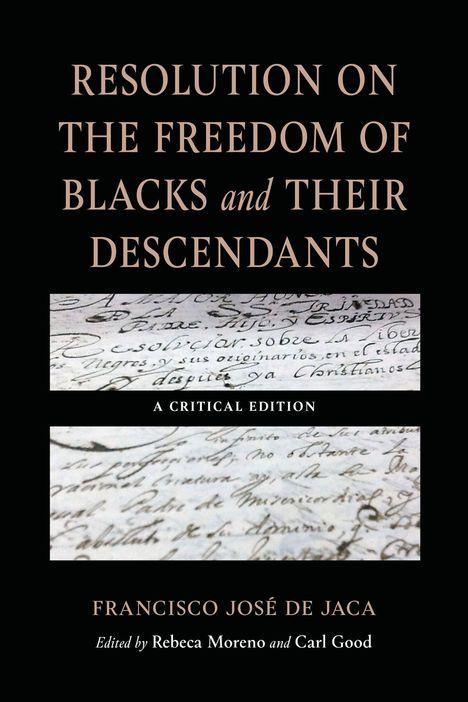
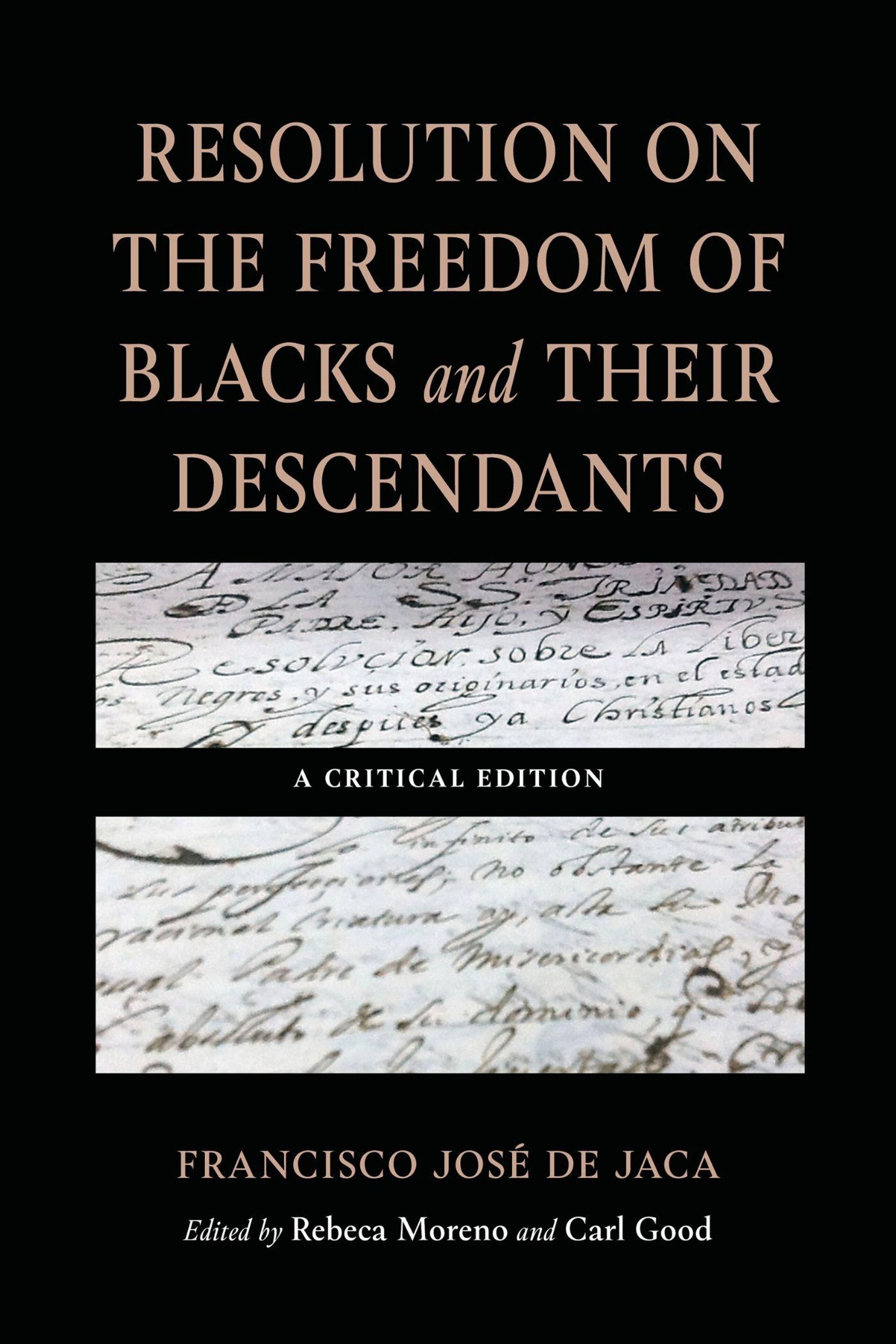
Francisco José de Jaca: Resolution on the Freedom of Blacks and Their Descendants, Kartoniert / Broschiert
Resolution on the Freedom of Blacks and Their Descendants
- A Critical Edition
Lassen Sie sich über unseren eCourier benachrichtigen, sobald das Produkt bestellt werden kann.
- Herausgeber:
- Carl Good, Rebeca Moreno
- Übersetzung:
- Carl Good
- Verlag:
- University of Notre Dame Press, 05/2027
- Einband:
- Kartoniert / Broschiert
- Sprache:
- Englisch
- ISBN-13:
- 9780268211769
- Umfang:
- 216 Seiten
- Erscheinungstermin:
- 15.5.2027
- Hinweis
-
Achtung: Artikel ist nicht in deutscher Sprache!
Weitere Ausgaben von Resolution on the Freedom of Blacks and Their Descendants |
Preis |
|---|---|
| Buch, Gebunden, Englisch | EUR 126,93* |
Ähnliche Artikel


Klappentext
Before the abolitionist movements of the eighteenth century, a Spanish Capuchin missionary in Havana risked imprisonment to author the first antislavery treatise written in the Americas.
Written in 1681 by Spanish missionary Francisco José de Jaca, Resolution on the Freedom of Blacks and Their Descendants offers an unprecedented look into early abolitionist thought. Jaca sharply departs from his contemporaries by demanding the total criminalization of the institution of slavery and mandatory economic restitution for enslaved individuals and their offspring. Strikingly, the text is also the first known document in the Americas to conceptualize a legal understanding of "human rights" (humanos derechos).
This critical edition offers an in-depth introduction to the missionary life of the Capuchin friar, along with a thorough analysis of the moral, theological, and legal debates surrounding transatlantic slavery in the Ibero-Atlantic world. Editors Rebeca Moreno and Carl Good, along with contributor Miguel Anxo Pena González, illuminate the historical, philosophical, and theological contexts of the early modern imperial and colonial realms, providing contemporary readers with valuable insights into the foundations of early antislavery discourse.
By making this treatise accessible to English-speaking researchers, this book restores a long-forgotten text to the histories of global human rights, Atlantic history, and religious reform, demonstrating that the conceptual framework for human dignity and reparations was forged not during the European Enlightenment but within the crucible of seventeenth-century colonial resistance.