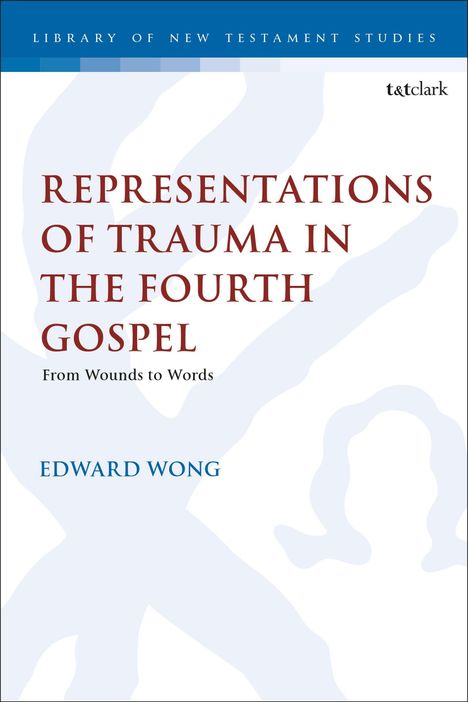
Edward Wong: Representations of Trauma in the Fourth Gospel, Gebunden
Representations of Trauma in the Fourth Gospel
- From Wounds to Words
Lassen Sie sich über unseren eCourier benachrichtigen, sobald das Produkt bestellt werden kann.
- Herausgeber:
- Chris Keith
- Verlag:
- Bloomsbury Academic, 12/2026
- Einband:
- Gebunden
- Sprache:
- Englisch
- ISBN-13:
- 9780567730930
- Umfang:
- 240 Seiten
- Gewicht:
- 454 g
- Maße:
- 234 x 156 mm
- Stärke:
- 25 mm
- Erscheinungstermin:
- 10.12.2026
- Hinweis
-
Achtung: Artikel ist nicht in deutscher Sprache!
Ähnliche Artikel


Klappentext
Edward Wong provides the first in-depth analysis of trauma as an interpretive lens for understanding the Fourth Gospel and offers a fresh solution to this long-standing puzzle of the text's seemingly "anti-Jewish" rhetoric. The Fourth Gospel, renowned for its profound theological significance in Christianity, is also the subject of a contentious hermeneutical debate due to its overwhelmingly negative portrayal of "the Jews." While scholars have traditionally explained this rhetoric in terms of either historical events or the evangelist's strategic aims, Wong highlights the interruptive impact of trauma on communal identity and the Gospel's composition. He thus argues that the Gospel's narrative and polemical tone can be understood as both a pathological and cathartic response to perceived intra-group tensions.
Drawing on trauma theory and interdisciplinary insights, Wong demonstrates how trauma permeates the Gospel's composition through distinct linguistic patterns, spatial aporias, and metaphorical language-particularly the imagery of light / darkness and themes of consumption. His analysis shows how these features serve as literary mechanisms for processing trauma and conflict-related distress. Wong further argues that the Gospel functions as a rhetorically charged "trauma narrative" by constructing roles of victimhood and perpetration, reshaping collective identity, and recalibrating felt tensions through a theological framework that cathartically envisions redemption for Jesus-followers, while pronouncing retribution against alleged perpetrators. In doing so, the claimed past of the Gospel functions as a resource for Jesus-followers amidst perceived conditions of adversity.