Education and the Politics of Time, Gebunden
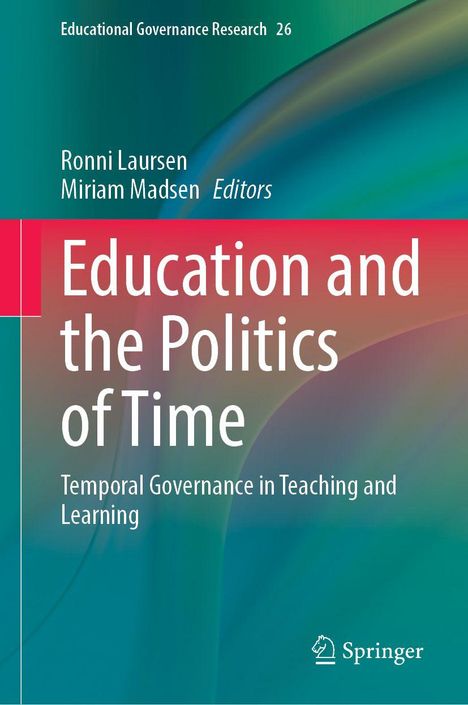
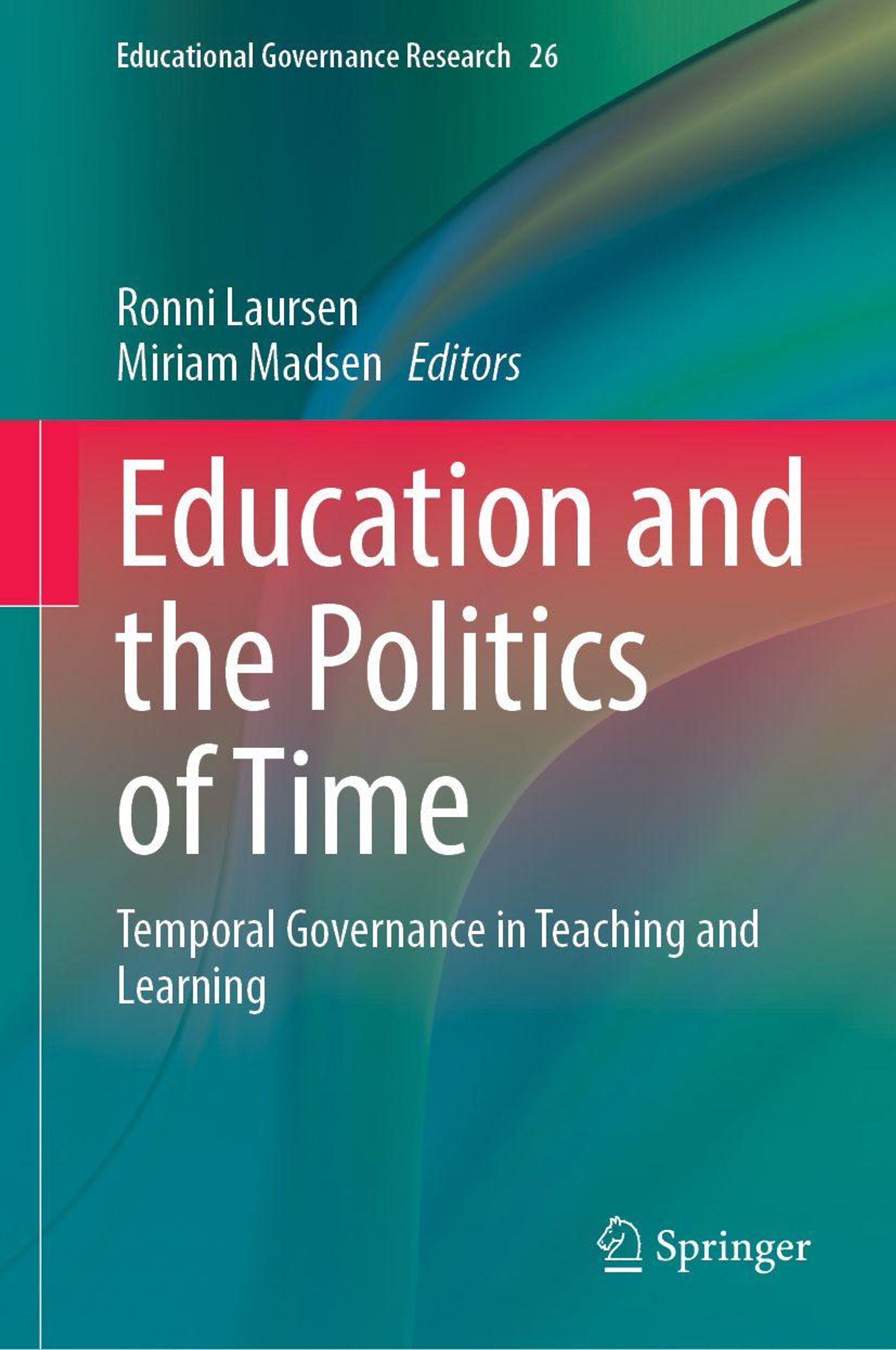
Education and the Politics of Time
- Temporal Governance in Teaching and Learning
(soweit verfügbar beim Lieferanten)
- Herausgeber:
- Ronni Laursen, Miriam Madsen
- Verlag:
- Springer, 01/2026
- Einband:
- Gebunden
- Sprache:
- Englisch
- ISBN-13:
- 9783032095893
- Artikelnummer:
- 12463684
- Umfang:
- 336 Seiten
- Gewicht:
- 668 g
- Maße:
- 241 x 160 mm
- Stärke:
- 24 mm
- Erscheinungstermin:
- 8.1.2026
- Serie:
- Educational Governance Research - Band 26
- Hinweis
-
Achtung: Artikel ist nicht in deutscher Sprache!
Klappentext
Education and the politics of time: temporal governance in teaching and learning explores how time---its organization, regulation, and lived experience---structures education across diverse contexts. Organized into four thematic sections, the book's 17 chapters offer critical analyses and vivid empirical accounts that expose the politics of time in education. The first section, the national and transnational politics of time, shows how reforms and policy agendas impose particular temporal logics on education systems. The second, the politics of institutional time, investigates how preschools, schools, and universities govern everyday life through calendars, timetables, and institutional rhythms. The third, the politics of teachers' time, examines how temporal pressures shape professional work, identity, and wellbeing. The fourth, the politics of students' time, traces how temporal expectations regulate students' learning trajectories, aspirations, and everyday experiences. Taken together, these chapters reveal how the politics of time shape educational practices in contested ways and toward different ends. With contributions from scholars based in Denmark, Sweden, Finland, Australia, Kenya, Chile, and the USA, the volume situates local cases within wider global dynamics. Rather than treating time as neutral, the book insists on its political character, showing how temporal norms structure identities, possibilities, and inequalities---and how they might be reimagined.