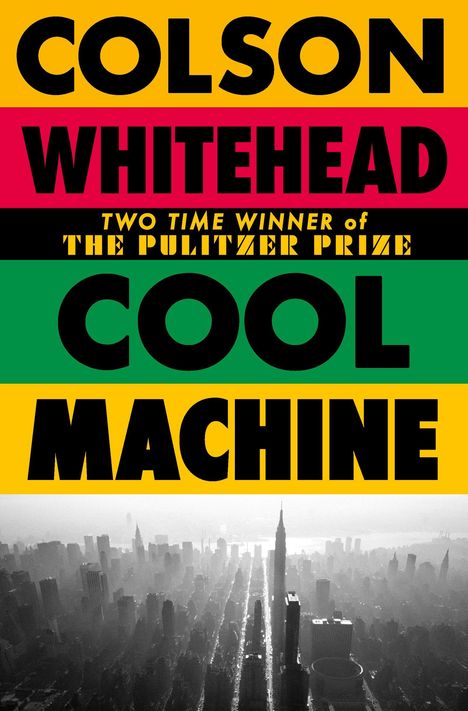
Colson Whitehead: Cool Machine, Gebunden
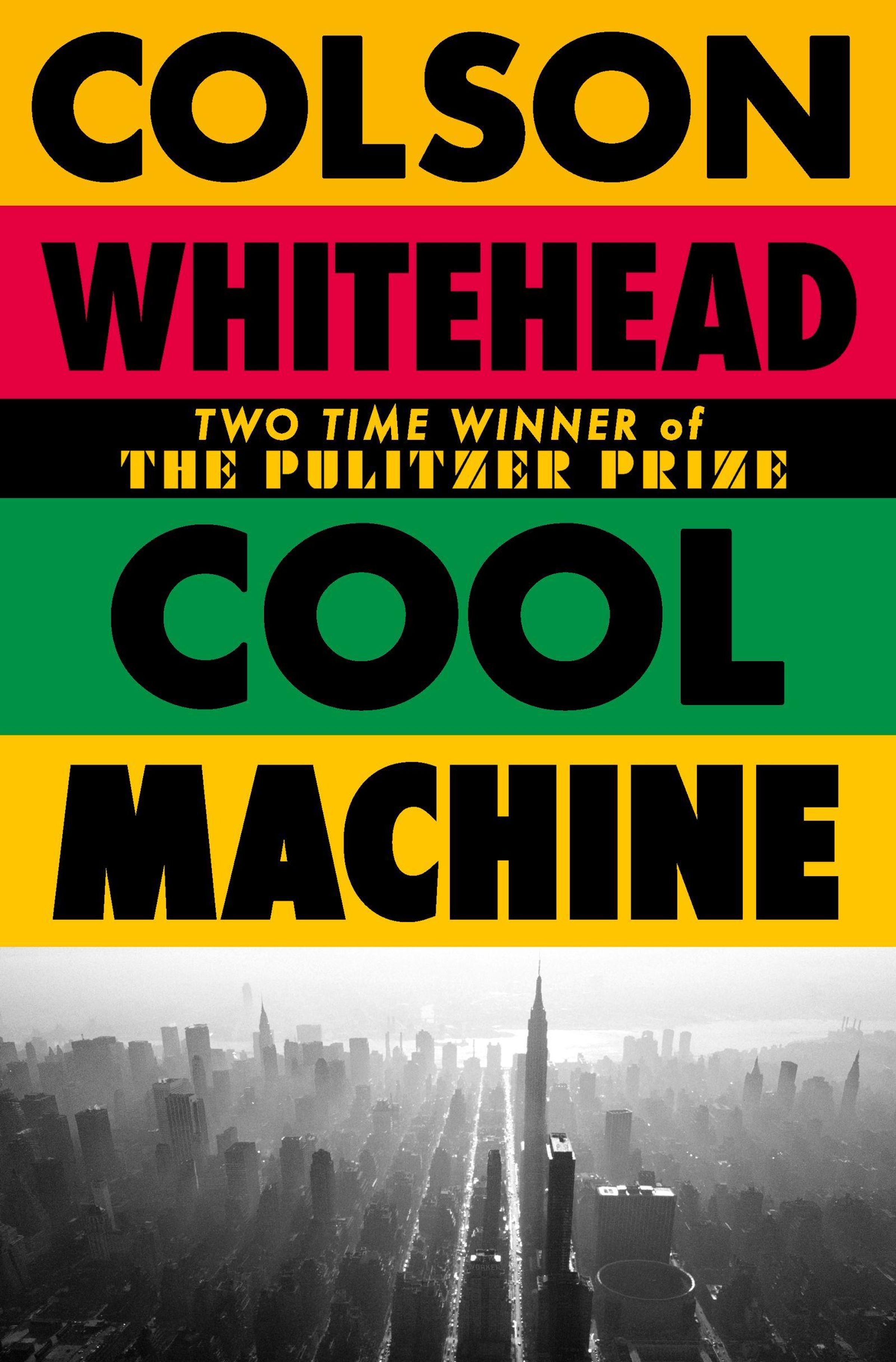
Cool Machine
- by the two-time Pulitzer prize-winning author of The Underground Railroad
- Verlag:
- Little, Brown Book Group, 07/2026
- Einband:
- Gebunden
- Sprache:
- Englisch
- ISBN-13:
- 9780349727677
- Artikelnummer:
- 12521743
- Umfang:
- 368 Seiten
- Gewicht:
- 600 g
- Maße:
- 240 x 156 mm
- Stärke:
- 22 mm
- Erscheinungstermin:
- 21.7.2026
- Serie:
- The Harlem Trilogy
- Hinweis
-
Achtung: Artikel ist nicht in deutscher Sprache!
Weitere Ausgaben von Cool Machine |
Preis |
|---|---|
| Buch, Gebunden | EUR 27,00* |
| Buch, Kartoniert / Broschiert, Englisch | EUR 17,95* |
| Buch, Gebunden, Englisch | EUR 29,42* |
| Buch, Kartoniert / Broschiert, Englisch | EUR 17,95* |
Klappentext
'Rejoice: the final instalment of the Harlem Trilogy is here' TELEGRAPH
'A hugely satisfying conclusion to a towering achievement' FINANCIAL TIMES
'Another tour de force . . . Whitehead's Harlem trilogy deserves to become a touchstone of the modern American literary canon' SPECTATOR
FROM THE #1 NEW YORK TIMES BESTSELLING AUTHOR AND TWO-TIME PULITZER PRIZE WINNER COLSON WHITEHEAD
AN EXUBERANTLY ENTERTAINING NOVEL THAT BRINGS 1980S NEW YORK TO VIVID, UNFORGETTABLE LIFE
New York City is beginning to emerge from financial ruin and decline, energized by rampant real estate development and a Wall Street unchained by Reagan-era predatory capitalism. Up in Harlem, successful business owner / master fence Ray Carney has just been named Sterling Furniture's Dealer of the Month. When the banks won't give his beloved wife, Elizabeth, a loan for her new travel agency, however, Carney gambles on one last heist, and finds himself entangled with a legendary criminal mastermind.
To some, Carney's friend and partner in crime Pepper is a stone-cold sociopath. To others, a top thief with questionable people skills. Either way, he's feeling his age in his troubled gut and his aching bones. When he takes on a bodyguard gig as a favor to Elizabeth, he's plunged into the alien territory of the East Village art and club scene. Luckily for him, whether you're uptown or down, everyone speaks the same language of violence - Pepper is a native speaker.
Carney has always been haunted by his inability to save his cousin Freddie. Now, twenty years after Freddie's death, he has a chance to rescue Freddie's son from the violent forces of the city. But coming out of retirement and teaming up with Pepper again will mean risking the safety and security he's spent decades building for his family, with only one shot to get it right.
With his usual pitch-perfect prose, Whitehead paints a portrait of a city in transition, where shimmering skyscrapers rise to the heavens as displaced people huddle in abandoned tunnels below. In a dazzling display of protean imagination, Cool Machine roves all over the city, from Windows on the World to Sugar Hill, to show that in New York, and in the lives of Whitehead's vivid characters, it's what's below the surface that reveals the truth.
'Surely one of the richest creations in crime fiction. Cracking' DAILY MAIL
'Colson Whitehead's trilogy ends with a bang' SUNDAY TIMES
'An atmospheric, stylish finale' INDEPENDENT, BOOK OF THE MONTH
'New York, in all its filthy, frenetic, shabby glory . . . New York has never had a better valentine' THE ECONOMIST
'A triumph of molls, dolls and deadpan humour' STANDARD
'Masterly' MAIL ON SUNDAY
'A literary heist' TLS
'Freewheeling fun' GUARDIAN
'Bustling with energy . . . a whirlwind read' IRISH INDEPENDENT REVIEW
Mehr von Colson Whitehead