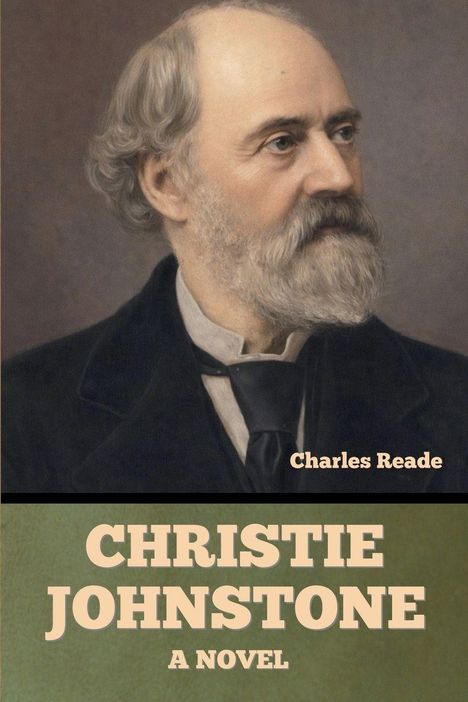
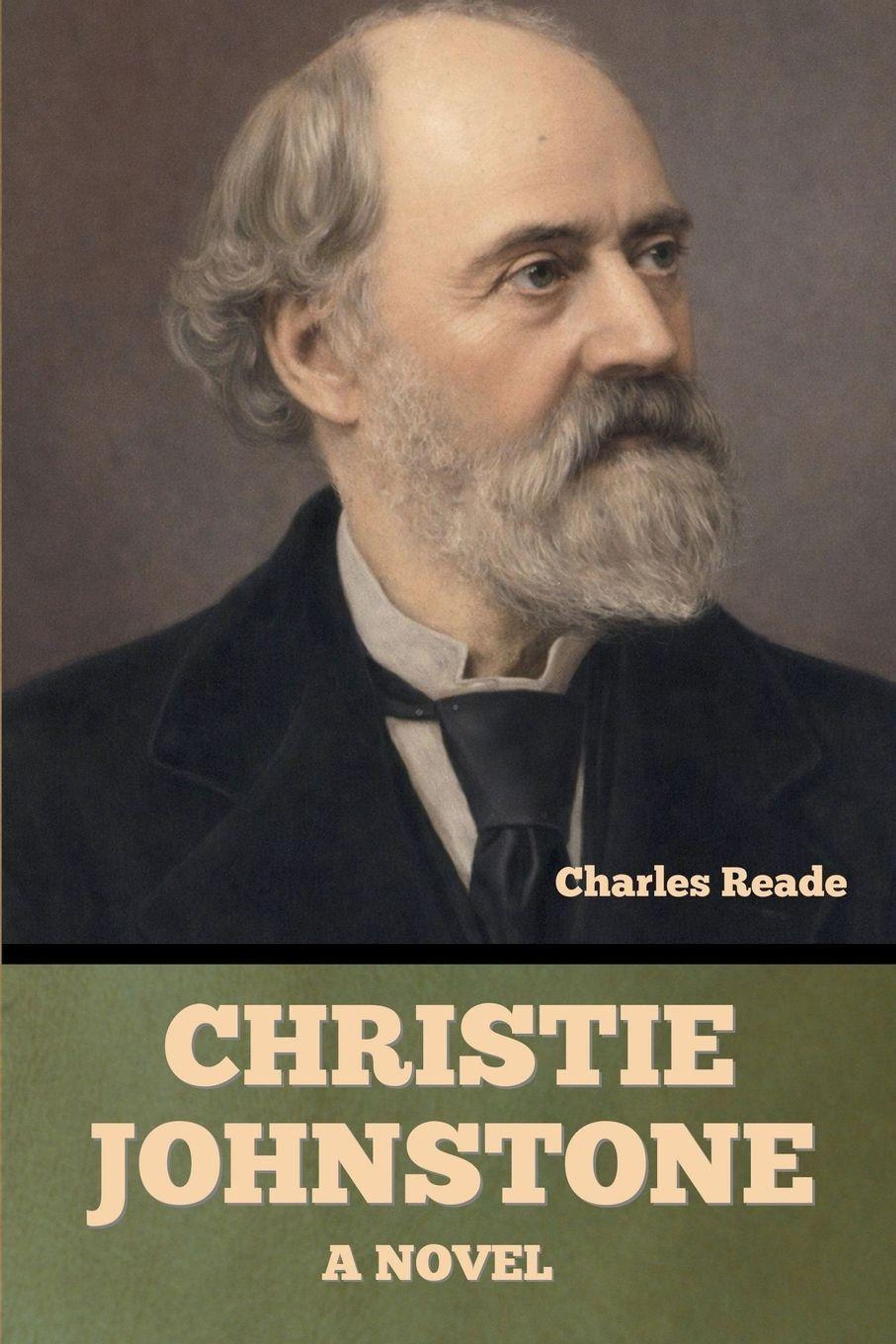
Charles Reade: Christie Johnstone, Kartoniert / Broschiert
Christie Johnstone
- A Novel
(soweit verfügbar beim Lieferanten)
- Verlag:
- IndoEuropeanPublishing.com, 02/2026
- Einband:
- Kartoniert / Broschiert
- Sprache:
- Englisch
- ISBN-13:
- 9798889425670
- Artikelnummer:
- 12622881
- Umfang:
- 160 Seiten
- Gewicht:
- 270 g
- Maße:
- 229 x 152 mm
- Stärke:
- 10 mm
- Erscheinungstermin:
- 6.2.2026
- Hinweis
-
Achtung: Artikel ist nicht in deutscher Sprache!
Klappentext
Christie Johnstone: A Novel by Charles Reade is a Victorian-era work that blends social realism with romance, using the Scottish fishing community as its backdrop. Published in 1853, the novel centers on Christie Johnstone, a young fisherwoman whose intelligence, independence, and moral strength challenge the rigid class and gender expectations of the time. Through vivid descriptions of coastal life and working-class culture, Reade grounds the story in a realistic social setting while still crafting a compelling personal narrative around Christie's development and relationships. One of the novel's central concerns is the contrast between social classes and the value of practical intelligence over inherited privilege. Christie, though poor and uneducated in a formal sense, consistently demonstrates sharp judgment, emotional insight, and ethical clarity. In contrast, upper-class characters-particularly Charles Gatty-must learn to shed their assumptions and develop genuine moral responsibility. Reade uses Christie's character to argue that worth is not determined by birth or wealth but by character and capability, a message that aligns with his broader commitment to social reform in fiction. Ultimately, Christie Johnstone stands out for its strong female protagonist and its compassionate portrayal of working-class life. Reade's combination of detailed realism and moral purpose reflects the Victorian belief that novels could both entertain and educate. By giving Christie agency, dignity, and intellectual presence, Reade challenges stereotypes of women and the poor, making the novel an important example of socially conscious literature in the nineteenth century.
About The Author Charles Reade (1814-1884) was a prominent English novelist and dramatist of the Victorian era, best known for his energetic storytelling and strong sense of social justice. Born in Ipsden, Oxfordshire, Reade was educated at Magdalen College, Oxford, where he later became a fellow. Although trained in law, he struggled to find satisfaction in the profession and gradually turned his attention toward writing, a field in which he could combine creativity with moral advocacy.
Reade began his literary career writing plays, often in collaboration with others, and several of his early dramas achieved success on the London stage. His experience in theater deeply influenced his prose style, which is marked by vivid scenes, sharp dialogue, and a strong sense of dramatic tension. As he transitioned more fully into novel writing, he brought with him a flair for plot construction and emotional intensity that appealed to a wide Victorian readership.
He is best remembered for novels such as The Cloister and the Hearth (1861), Hard Cash (1863), and It Is Never Too Late to Mend (1856). These works are notable for their meticulous research and their focus on exposing social injustices, including prison conditions, mental asylums, and abuses of power. Reade believed fiction should be grounded in fact, famously declaring that his novels were built from "a mountain of facts," a philosophy that sometimes led to public disputes with critics who questioned his methods.
Despite controversies over his aggressive defense of realism and his sometimes combative personality, Reade left a lasting mark on Victorian literature. His commitment to reform, combined with his narrative drive, helped pave the way for later socially conscious writers. Today, Charles Reade is remembered as a passionate, if occasionally polarizing, figure whose work reflects both the moral urgency and dramatic spirit of his age.