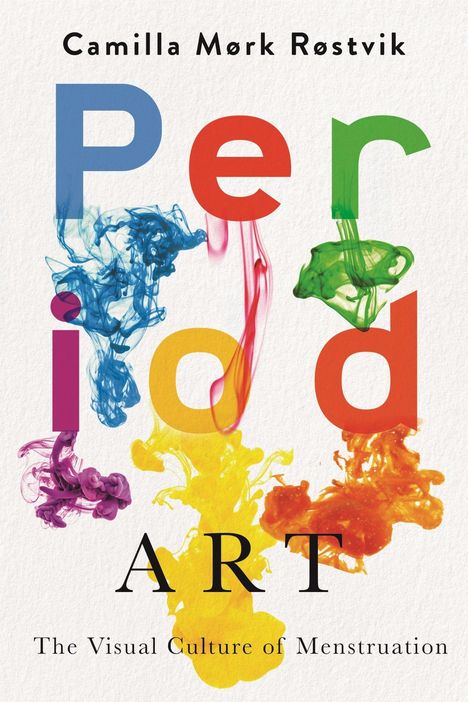
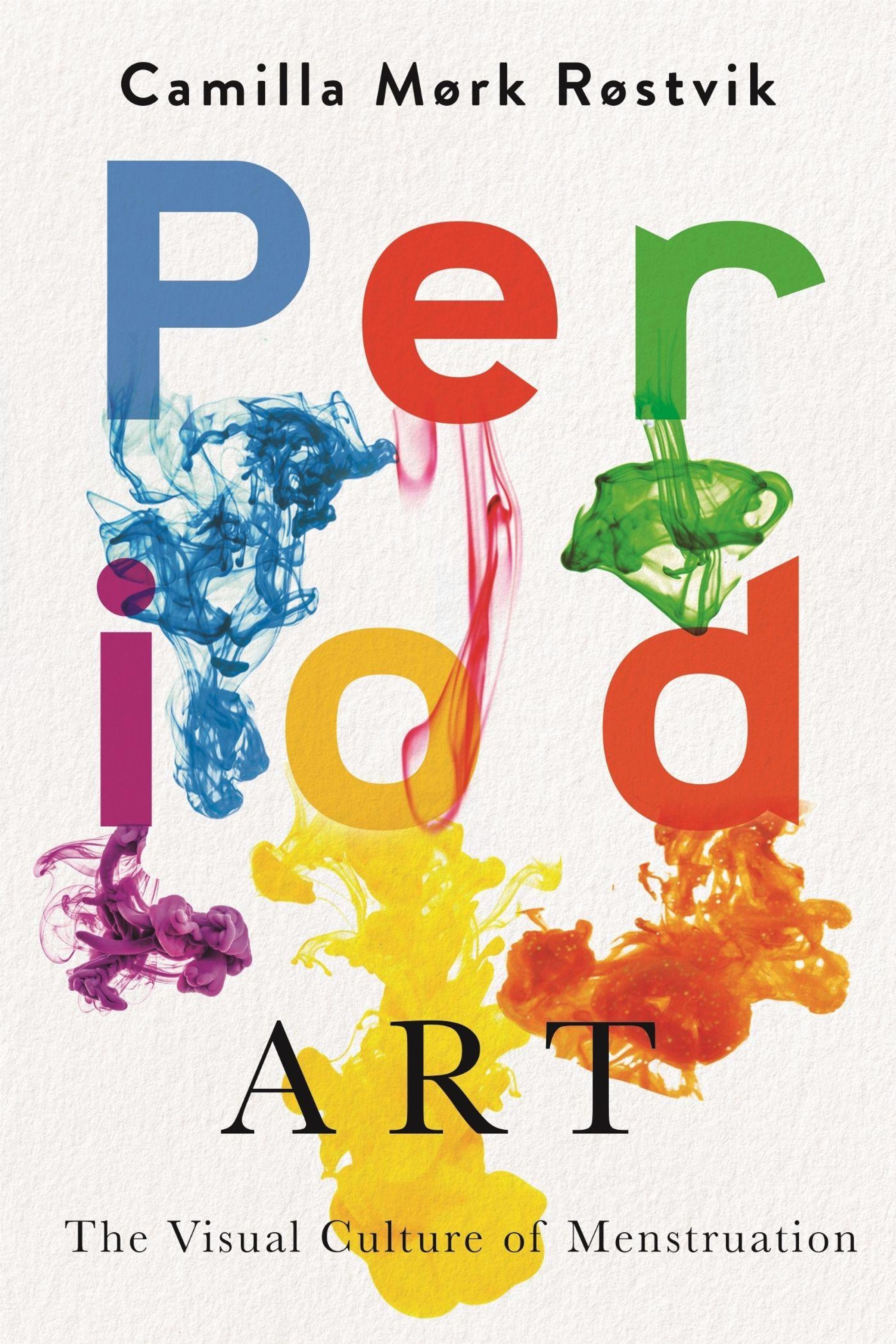
Camilla Mørk Røstvik: Period Art, Kartoniert / Broschiert
Period Art
- The Visual Culture of Menstruation
Sie können den Titel schon jetzt bestellen. Versand an Sie erfolgt gleich nach Verfügbarkeit.
- Verlag:
- McGill-Queen's University Press, 11/2026
- Einband:
- Kartoniert / Broschiert
- Sprache:
- Englisch
- ISBN-13:
- 9780228029083
- Artikelnummer:
- 12633049
- Umfang:
- 208 Seiten
- Erscheinungstermin:
- 17.11.2026
- Hinweis
-
Achtung: Artikel ist nicht in deutscher Sprache!
Klappentext
For much of the twentieth century menstruation was invisible in public life, obscured by euphemism, clinical language, and visual censorship. As this compelling work demonstrates, artists have long resisted such erasure, giving rise to menstrual art as a powerful challenge to cultural norms that cast periods as shameful, private, or merely biological.
Period Art examines how artists have used menstruation as both subject and material, bringing a long-standing taboo into the light with creativity, critique, and political engagement. Camilla Mørk Røstvik explores how six artists working across diverse media and contexts from the 1950s to the 2020s have reimagined menstruation as a subject worthy of sustained artistic attention. From Judy Chicago's Red Flag to Jay Critchley's environmenstrual performance art and Sarah Levy's portraits in blood, these works interrogate medical authority, advertising conventions, environmental politics, gender norms, technology, and the boundaries of acceptable public display. Røstvik views period art not through a lens but through a prism, using colour to move beyond reductive associations with blood and stigma and to reveal the diversity of menstrual imagery, themes, and artistic strategies.
In clear and accessible prose, Period Art positions menstrual art not as a marginal or purely activist practice but as an integral part of modern and contemporary art history. Art holds the power to reshape cultural understandings of the body, Mørk Røstvik shows, and menstruation remains a vital and contested subject in visual culture today.