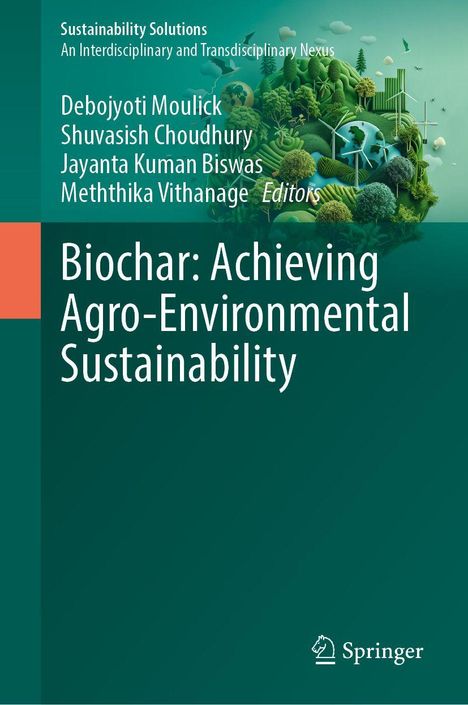
Biochar: Achieving Agro-Environmental Sustainability, Gebunden
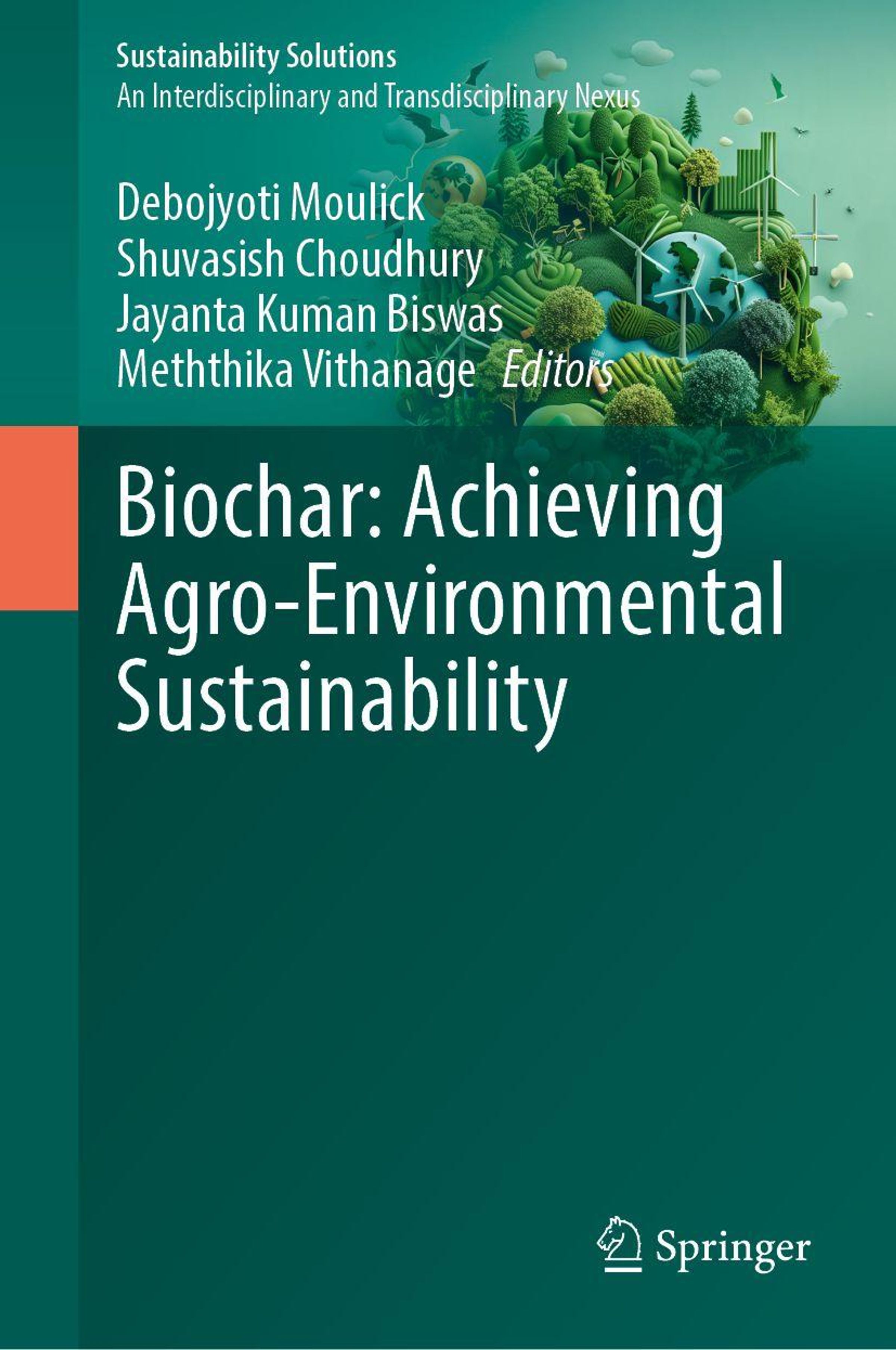
Biochar: Achieving Agro-Environmental Sustainability
(soweit verfügbar beim Lieferanten)
- Herausgeber:
- Debojyoti Moulick, Shuvasish Choudhury, Jayanta Kumar Biswas, Meththika Vithanage
- Verlag:
- Springer, 07/2026
- Einband:
- Gebunden
- Sprache:
- Englisch
- ISBN-13:
- 9783032198549
- Artikelnummer:
- 12674954
- Umfang:
- 600 Seiten
- Gewicht:
- 1164 g
- Maße:
- 241 x 160 mm
- Stärke:
- 36 mm
- Erscheinungstermin:
- 17.7.2026
- Serie:
- Sustainability Solutions
- Hinweis
-
Achtung: Artikel ist nicht in deutscher Sprache!
Klappentext
This book is considered a highly eco-friendly and sustainable means to improve soil quality and fertility by influencing the physico-chemical properties of the soil, increasing the mobility of essential elements, and improving the organic carbon content. Biochar has a high carbon content, and its application enhances the soil's capacity to retain nutrients, increases water-holding capacity, and decreases CH emissions. This book presents to its readers a vivid account of the use of biochar in achieving sustainable agricultural goals. A wide array of topics will be covered, including: A general overview of biochar Sustainable use of biochar in agriculture and animal husbandry Waste and wastewater treatment Biochar as a sustainable engineering material In addition, the book provides a comprehensive account of the use of biochar in stress management and mitigation, soil fertility, and agriculture. It offers possible sustainable solutions for agriculture and environmental management, supported by recent information and up-to-date citations. We believe this book will be of immense importance to readers seeking novel ways to address sustainability issues in agriculture and environmental management. As we live in a complex environment with multiple interlinked factors playing a pronounced role in modulating our surroundings, biochar has shown its potential as an effective stress ameliorator in multiple niches and has made its mark on the circular bioeconomy. In our opinion, this edited volume will serve as a valuable reference material to summarize what has been achieved so far and where future emphasis is needed.
Mehr von Sustainability ...
-
Soil Degradation, Desertification and RestorationBuchAktueller Preis: EUR 219,03
-
Eco-Resilience: Climate Change, Land Degradation and Sustainable SolutionsBuchAktueller Preis: EUR 175,23
-
Climate Change, Land Degradation, and SustainabilityBuchAktueller Preis: EUR 219,03
-
Socio-Ecological Resilience and Sustainable Quality of LifeBuchAktueller Preis: EUR 175,23