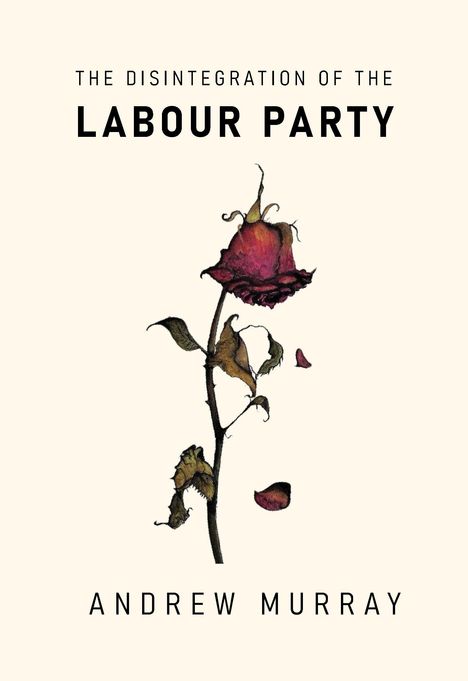
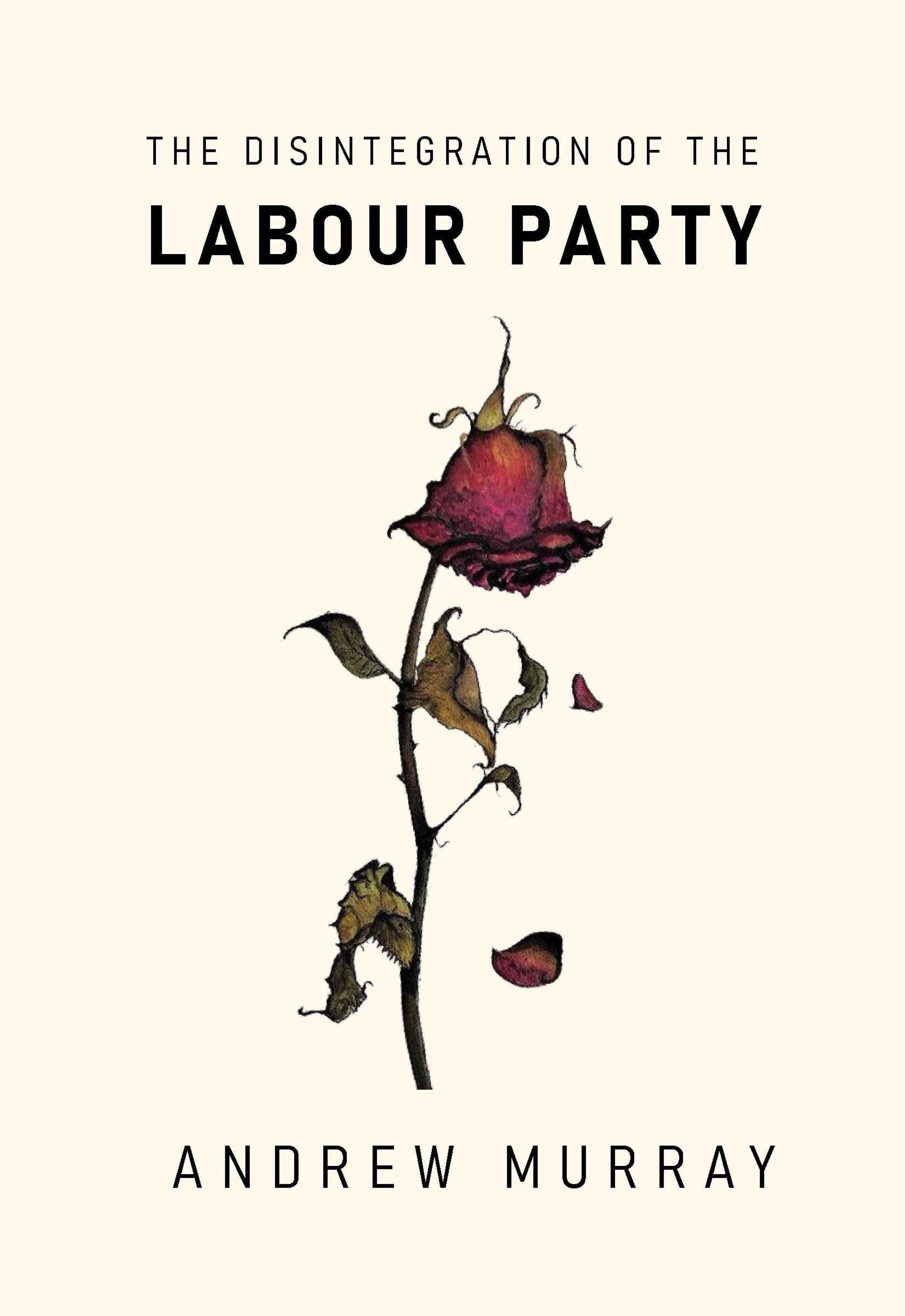
Andrew Murray: The Disintegration of the Labour Party, Kartoniert / Broschiert
The Disintegration of the Labour Party
Sie können den Titel schon jetzt bestellen. Versand an Sie erfolgt gleich nach Verfügbarkeit.
- Verlag:
- OR Books, 10/2026
- Einband:
- Kartoniert / Broschiert
- Sprache:
- Englisch
- ISBN-13:
- 9781682194850
- Artikelnummer:
- 12638638
- Umfang:
- 250 Seiten
- Erscheinungstermin:
- 13.10.2026
- Hinweis
-
Achtung: Artikel ist nicht in deutscher Sprache!
Klappentext
A rigorously argued account of Labour's unraveling, combining statistical analysis with reporting from communities and institutions at the heart of British political life.
The Disintegration of the Labour Party offers a clear-eyed account of the slow collapse of Britain's historic centre-left party as a mass political force. Moving beyond headline election results, the book reveals a coalition that has been fragmenting for decades and is now close to exhaustion.
Tracing Labour's long-term erosion of its working-class base, the book argues that the party has failed to construct a durable replacement coalition capable of winning power or governing with purpose. The brief resurgence under Jeremy Corbyn in 2017 showed that such a coalition was still possible and the ferocity with which it was crushed revealed how threatening it was to the political establishment. Keir Starmer, presented as the establishment's corrective, has instead deepened Labour's crisis, severing the party from its remaining sources of political energy.
Drawing on detailed electoral data, on-the-ground reporting, interviews, and visits to both left-behind industrial communities and inner cities, the book dismantles the mythology of Labour's supposed recovery, including claims about reclaiming the so-called "red wall." It shows how Starmer's continuity with establishment politics on the economy, foreign policy, and domestic governance has further alienated working-class voters, younger generations, and metropolitan supporters alike.
Situating Labour's decline within the wider crisis of democratic politics since the 2008 financial crash, the book also asks what comes next. It examines whether Labour's trajectory can still be altered, the role of trade unions and local government, and the residual power of the Labour brand. Finally, it looks beyond Labour altogether, exploring emerging alternatives and new political formations-including insights drawn from the author's firsthand knowledge of the Corbyn-Sultana electoral project-and considers how socialist politics might find renewed expression in Britain.