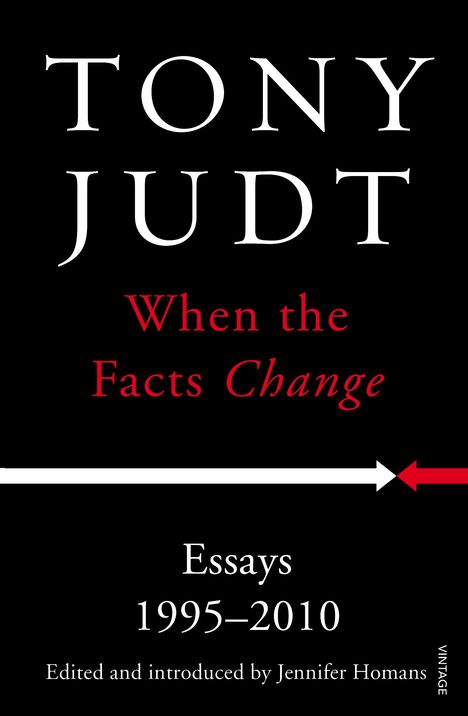
Tony Judt: When the Facts Change, Kartoniert / Broschiert
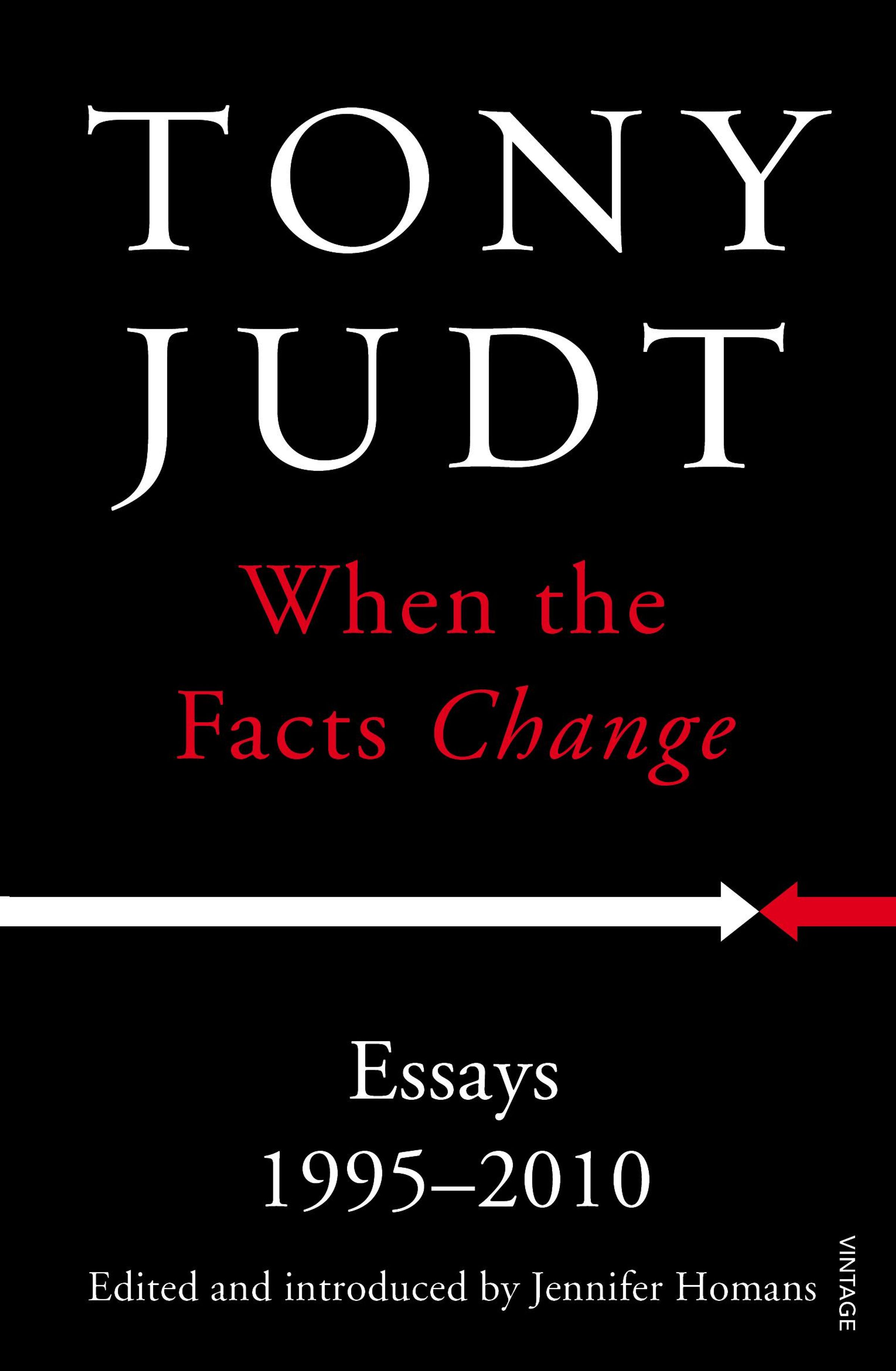
When the Facts Change
- Essays 1995 - 2010
(soweit verfügbar beim Lieferanten)
- Verlag:
- Vintage Publishing, 10/2015
- Einband:
- Kartoniert / Broschiert, ,
- Sprache:
- Englisch
- ISBN-13:
- 9780099593430
- Artikelnummer:
- 6826834
- Umfang:
- 400 Seiten
- Gewicht:
- 281 g
- Maße:
- 196 x 128 mm
- Stärke:
- 32 mm
- Erscheinungstermin:
- 29.10.2015
- Hinweis
-
Achtung: Artikel ist nicht in deutscher Sprache!
Klappentext
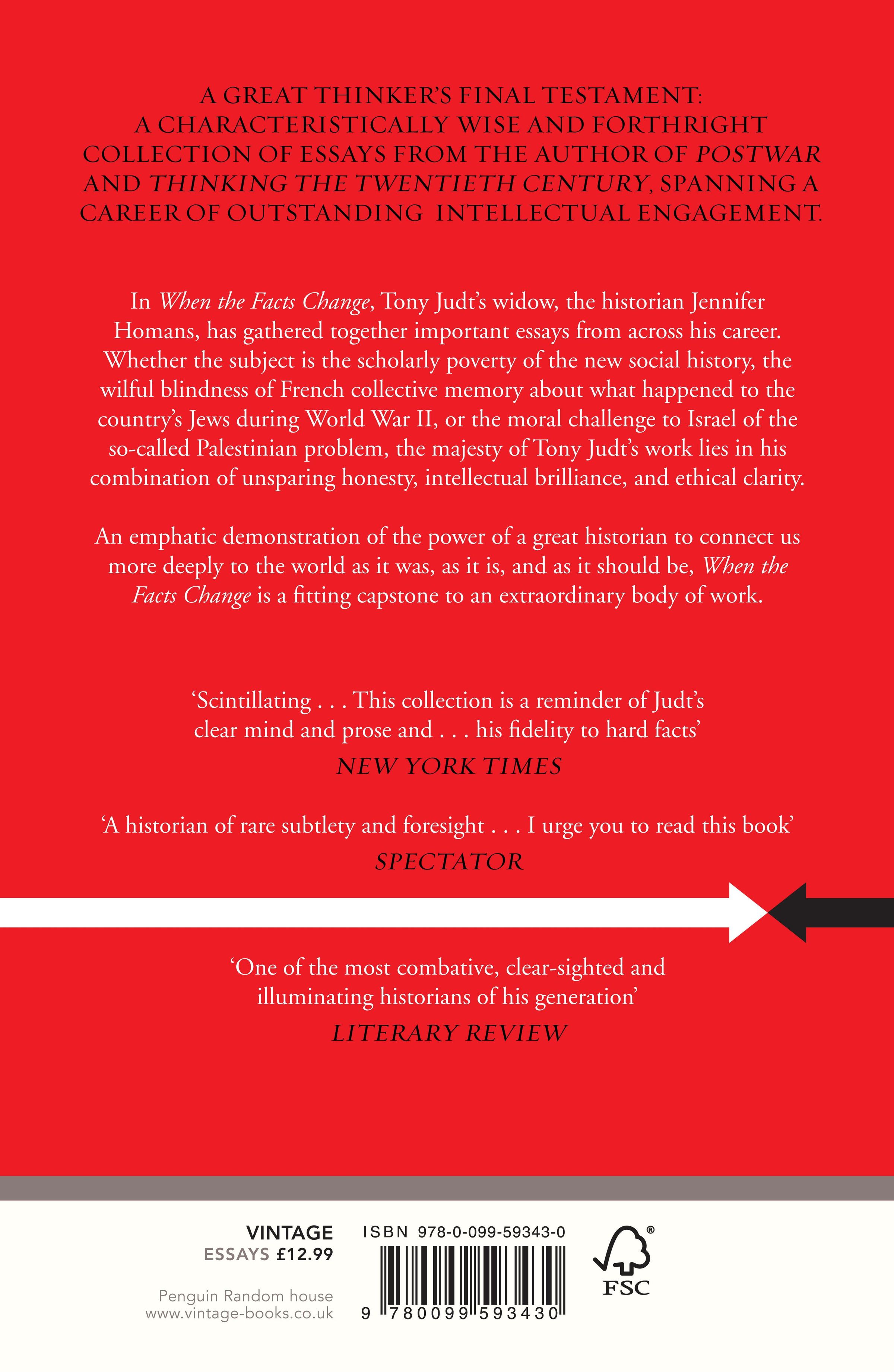
A great thinker's final testament: a characteristically wise and forthright collection of essays from the author ofPostwar and Thinking the Twentieth Century that feels all the more potent and important in today's political climate.
Edited and introduced by Jennifer Homans.
Tony Judt's widow and fellow historian, Jennifer Homans, has gathered together important essays from the span of Judt's career that chronicle both the evolution of his thought and the remarkable consistency of his passionate engagement and intellectual élan.
Whether the subject is the scholarly poverty of the new social history, the willful blindness of French collective memory about what happened to the country's Jews during World War II, or the moral challenge to Israel of the so-called Palestinian problem, the majesty of Tony Judt's work lies in his combination of unsparing honesty, intellectual brilliance, and ethical clarity.
When the Facts Change exemplifiesthe necessity of minding our history and not letting cheerful fictions suffice in its place. An emphatic demonstration of the power of a great historian to connect us more deeply to the world as it was, as it is, and as it should be, it is a fitting capstone to an extraordinary body of work.
Biografie
Tony Judt, geboren 1948 in London, ist Historiker. Sein Arbeitsschwerpunkt liegt im Bereich der europäischen Geschichte seit Ende des 19. Jahrhunderts. Er ist seit 1995 Direktor des von ihm gegründeten Remarque-Instituts an der New York University.§Judt studierte an der Universität Cambridge. Er erwarb dort 1969 den Bachelor of Arts und 1972 den PhD in Geschichtswissenschaft. 1966 arbeitete er in einem Kibbutz in Machanaim und während des Sechstagekrieges 1967 als Fahrer und Übersetzer für die israelische Armee. Seine prozionistische Haltung wurde aber immer stärker erschüttert. Judt trat 2003 durch ein Plädoyer für eine Einstaatenlösung für Palästina hervor. Für seine Werke erhielt Tony Judt verschiedene Auszeichnungen, u. a. 2007 den "Hannah Arendt-Preis" für politisches Denken.